
Hairline vs Deep Cracks Indoors: Which Filler to Use and When
Spotting cracks on your interior walls can be stressful – especially when you’re unsure whether they’re harmless hairline cracks or deeper ones that signal a bigger issue. The good news? Most indoor cracks can be repaired easily when you know what type you’re dealing with and which filler works best.
In this guide, we break down the difference between hairline and deep cracks, why they happen, and the right repair material for each – without overwhelming you with jargon. The goal is simple: help you make confident choices so the cracks don’t come back.
Why Crack Identification Matters Before Choosing a Filler
Cracks aren’t all the same, and treating them as if they are is the biggest reason repairs fail.
Why identification matters:
- The filler you choose must match the crack type.
- Hairline cracks mostly need cosmetic repair; deep cracks may signal structural movement.
- Using the wrong material leads to peeling, re-cracking, or uneven finishes later. If the cracks are appearing after a paint job, our interior painting service ensures the surface is properly prepared and coated to prevent future cracking.
How to tell them apart quickly:
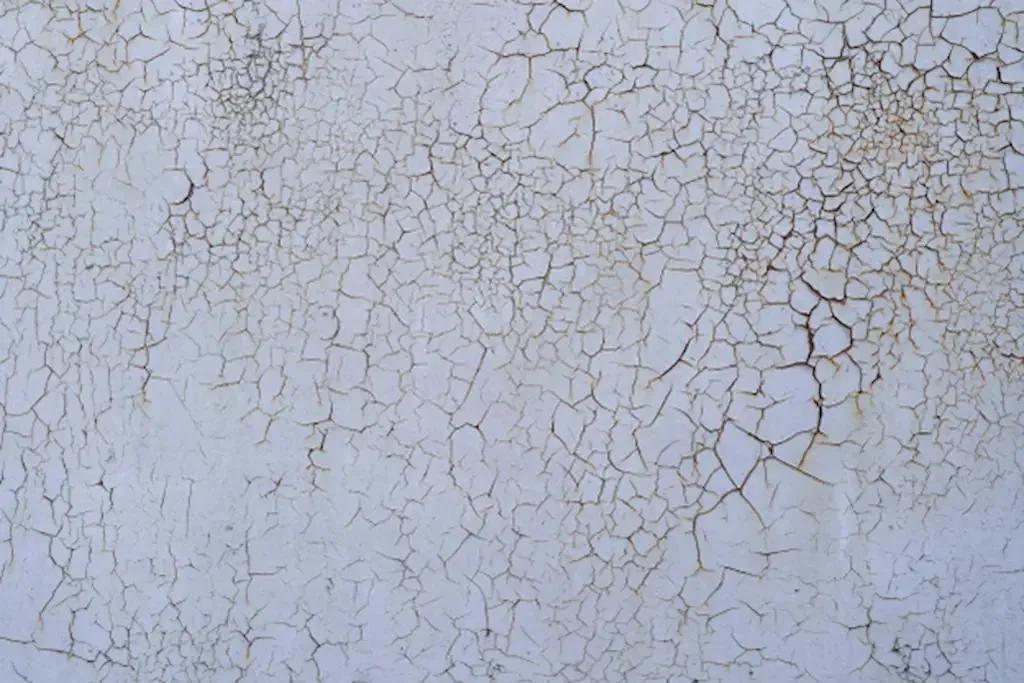
- Hairline cracks:< 1 mm wideLook like pencil linesOften appear near doors, windows, or newly painted areasUsually due to shrinkage or minor expansion
- Deep cracks:3 mm wideHave depth – you can feel or see the gapCan run diagonally or verticallyMay form due to settlement, moisture ingress, or substrate movement
Once you understand the difference between hairline and active cracks, the repair path becomes much clearer.
Hairline Cracks – Best Fillers, Causes & When to Worry
Hairline cracks are extremely common in Indian homes, especially after seasonal humidity shifts or plaster shrinkage.
Typical causes
- Natural plaster shrinkage
- Temperature & humidity changes
- Minor expansion around door/window frames
- Improper primer or paint application
Best fillers for hairline cracks
These require flexible, surface-level fillers that blend beautifully with paint.
Recommended fillers:
- Acrylic crack filler / acrylic putty
Perfect for tiny surface cracks before painting. - Ready-mix wall putty
Smooth finish, great for cosmetic touch-ups. - Fine polymer-based crack filler
Adds flexibility, reducing chances of cracks reappearing.
When to worry
If a hairline crack keeps reappearing after filling and painting, it may signal:
- moisture behind the wall
- poor plaster bonding
- vibrations from loose door frames
In such cases, deeper repair or a moisture check is needed. For recurring or stubborn surface cracks, our replastering service helps rebuild damaged areas and strengthens weak substrates.
Deep Cracks – Best Fillers, Real Causes & What NOT to Ignore
Deep cracks are more serious and need structural fillers – not just surface putty.
Typical causes
- Settlement of the building
- Moisture damage caused by leakage
- Poor plaster ratio or hollow plaster beneath
- RCC and brick joint separation. If cracks are spreading unusually fast, it may even indicate hidden damage- our termite pest control service helps rule out termite-related structural weakening.
- Vibrations from heavy door closing or construction activity
Best fillers for deep cracks
These materials strengthen the gap and prevent further movement.
Recommended fillers:
- Polymer-modified cement-based crack filler
Strong bonding, ideal for deep wall cracks. - Epoxy crack filler / epoxy resin system
Best for rigid structural cracks or RCC cracks. - Fiber-reinforced crack filler
Prevents future expansion by adding tensile strength. - Mesh tape + putty system (for plaster cracks)
The mesh bridges the gap, while putty smoothens the surface.
Never use these on deep cracks:
- Wall putty alone
- Paint-only fillers
- Acrylic fillers meant for small cosmetic cracks
They will fail because the crack has movement, depth, and stress points that require structural-grade material.
Choosing the Right Filler – A Simple, Room-by-Room Guide
Different rooms face different levels of moisture, vibration, and temperature – which affects crack formation and filler selection.
Living Room & Bedrooms
- Usually have cosmetic cracks
- Ideal filler: Acrylic crack filler / readymix putty
- Use mesh if cracks run long and thin across the wall
Kitchen
- Heat and moisture make cracks more likely
- Hairline cracks → Acrylic filler
- Deep cracks near tiles → Cement-based crack filler
Bathroom
- Only use cement-based or epoxy fillers
- Acrylic fillers will fail due to moisture
Around Doors & Windows
- Repeated vibration causes reappearance
- Combination repair works best:Mesh tape + polymer-modified filler
Ceilings
- Hairline ceiling cracks → acrylic filler
- Large cross-shaped or long cracks → structural inspection + cement-based filler
This practical approach helps you avoid over-repairing small cracks or under-treating serious ones. Before starting repair work, a thorough full house cleaning service helps clear dust, loose plaster particles, and debris for a smoother repair process.
Final Word – Fix Cracks the Right Way, the First Time
The key to long-lasting crack repair is simple: match the filler to the crack type. Hairline cracks need flexible surface fillers, while deep cracks need strong structural materials. With the right assessment and repair technique, you can ensure smoother walls and fewer repeat problems.
At Clean Fanatics, we repair cracks using the right fillers, tools, and moisture checks – so your walls stay flawless, stable, and future-proof.
FAQs
Yes, most homes experience them due to natural settling and seasonal temperature changes.
Minor deep cracks can, but structural cracks often need widening, cleaning, and filling properly.
Cracks wider than 5 mm, or cracks that run diagonally from windows/doors, should be professionally inspected.
Hairline crack repairs can be painted within 4-6 hours depending on filler type. Deep cracks need longer curing time.
Common reasons include moisture issues, the wrong filler, or movement in the substrate.