
At a Glance
Cleaning vs sanitizing vs disinfecting comes down to what each step removes. Cleaning removes visible dirt, dust and grease with soap and water. Sanitizing lowers the number of germs on a surface to a safer level. Disinfecting uses stronger products to kill most germs on hard surfaces. Cleaning always comes first, because dirt weakens sanitizers and disinfectants. The wrong product can also fade, dull or stain household surfaces. This guide explains each term, when to use it and how to protect surfaces.
Labels such as cleans, sanitizes and disinfects are easy to mix up, and using the wrong one wastes effort or damages surfaces. Each step does a different job, and each suits different parts of the home. The choice also affects how long surfaces last, since stronger products wear down finishes. Read how disinfection works in practice, then use this guide to pick the right step for every surface.
What Is the Difference Between Cleaning, Sanitizing and Disinfecting?
The difference between cleaning, sanitizing and disinfecting lies in how each process removes dirt or reduces germs. Cleaning removes visible dirt, dust and grease; sanitizing reduces germs on a surface to a safer level; and disinfecting kills most germs on hard surfaces. Each method serves a different purpose, and choosing the right one helps maintain household hygiene while protecting surfaces from damage.
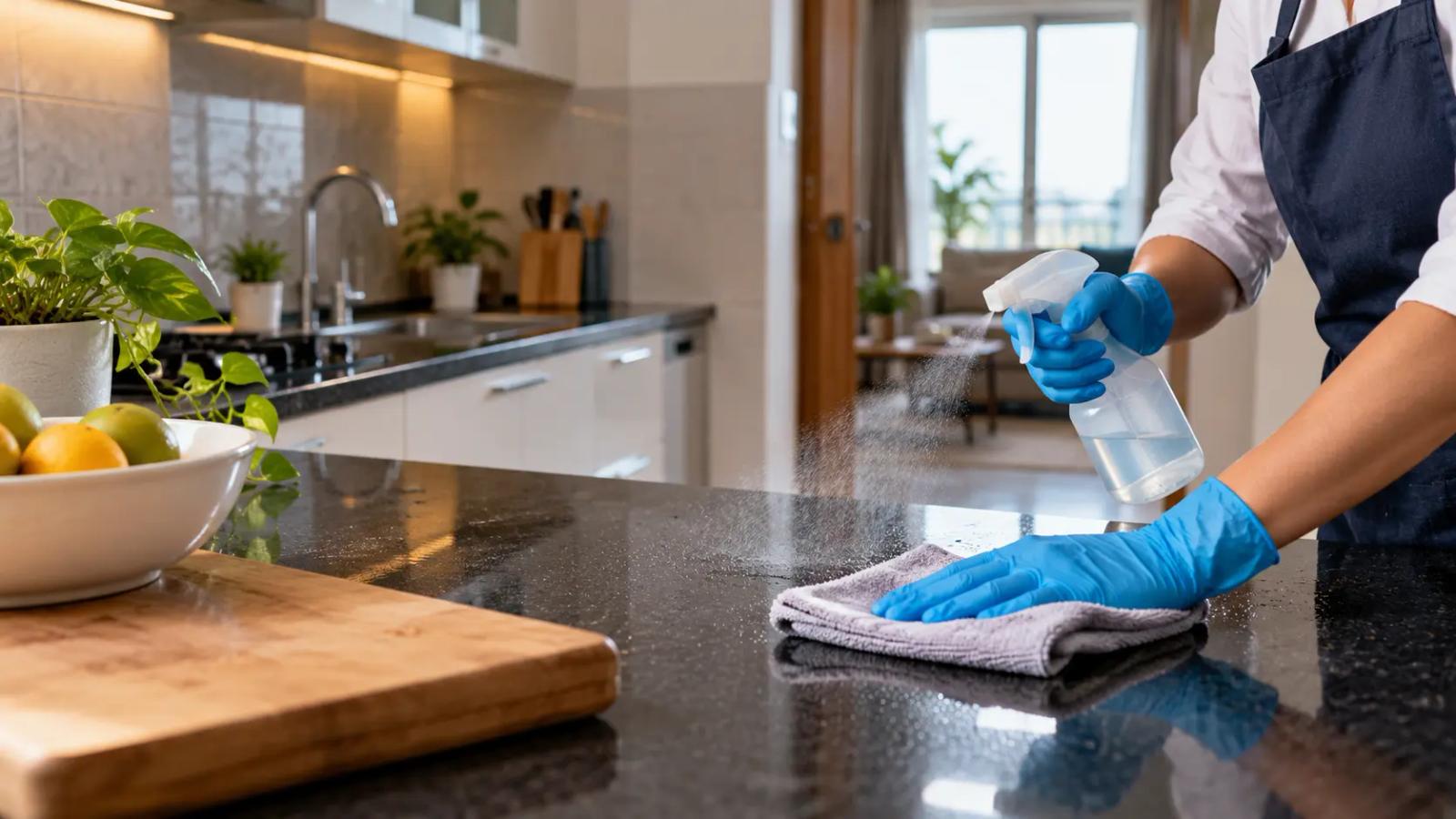
- Cleaning: Removes dirt, dust, grease and some germs using soap or detergent, water and a cloth. It is the first step in maintaining clean household surfaces.
- Sanitizing: Reduces the number of germs on a surface to a safer level. It is suitable for kitchen counters, cutting boards and other surfaces that come into contact with food or skin.
- Disinfecting: Uses appropriate chemical products to kill most germs on hard surfaces. It is commonly used on toilets, bathroom fittings, door handles and other frequently touched surfaces.
Which should come first: cleaning, sanitizing or disinfecting? Cleaning should always come first because dirt and grease can interfere with sanitizers and disinfectants, making them less effective. After cleaning, sanitizing or disinfecting can be used depending on the surface, hygiene requirements and product label instructions.
For Bangalore homes, understanding the difference between cleaning, sanitizing and disinfecting helps homeowners choose suitable products for kitchens, bathrooms, furniture and other household surfaces without unnecessarily damaging their finishes.
Pro Tip: Always clean first. Dirt shields germs and weakens sanitizers and disinfectants, so skipping this step makes them less effective.
What Is Cleaning and When Is It Enough?
Cleaning is the removal of visible dirt, dust, grease and spills with soap or detergent and water, and it is enough for most everyday surfaces.
Cleaning also washes away some germs, but it does not kill them. It suits floors, walls, furniture and windows, where there is no food contact or recent illness. A damp microfibre cloth works for most hard surfaces. Cleaning is also the safest step for surfaces, because plain soap and water rarely cause fading or dulling. Regular cleaning is the foundation of hygiene, because sanitizers and disinfectants work properly only on a clean surface. A morning house cleaning routine keeps everyday cleaning easy.
When Should a Home Be Sanitized or Disinfected?
A home needs sanitizing for surfaces that touch food or skin, and disinfecting for bathrooms, high-touch points and any surface touched by someone who was ill.
What Is Sanitizing and Where Is It Used?
Sanitizing lowers the number of germs on a surface to a safer level, and it suits kitchen counters, cutting boards, feeding items and children's toys. Sanitizers are milder than disinfectants and usually need less contact time. Alcohol-based products can dull varnished wood and cloud some plastics, so a hidden spot test is wise. The kitchen cleaning tips and tricks guide covers the cleaning step that comes first.
What Is Disinfecting and Where Is It Used?
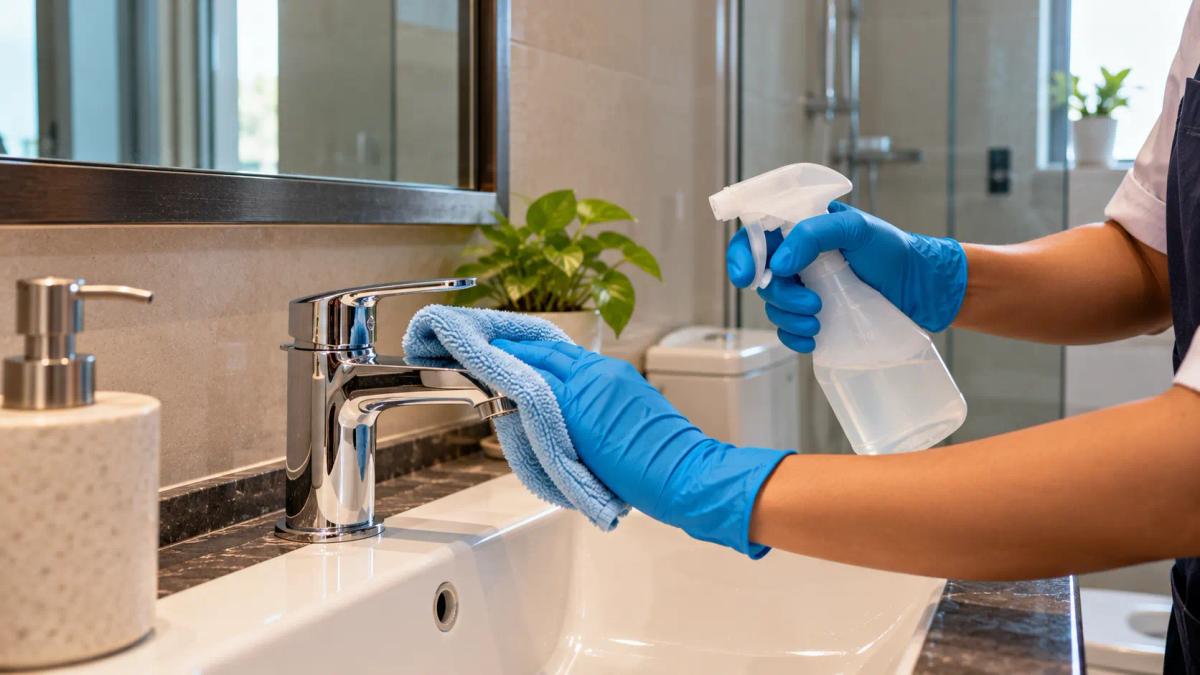
Disinfecting uses stronger chemical products to kill most germs on hard, non-porous surfaces, and it suits toilets, bathroom fittings, door handles and switches. The product must stay wet for the contact time printed on the label, or it will not work fully. Hard, sealed and frequently touched surfaces such as bathroom tiles, taps and toilet seats suit disinfecting best. Disinfectants are not meant for fabrics, unsealed stone or wood unless the label says so.
Which Surfaces Can Be Damaged by Disinfectants and Sanitizers?
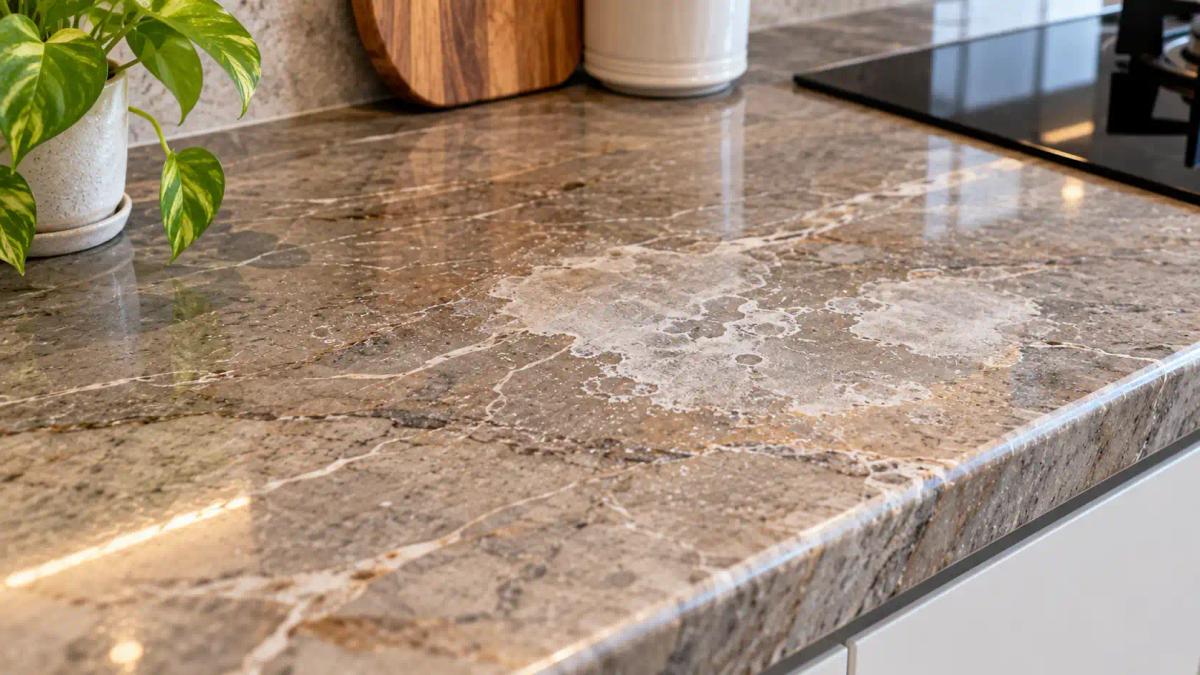
Disinfectants and sanitizers damage surfaces because they are stronger than regular cleaners, and bleach-based and acidic products cause the most visible harm. The most common effects are:
- Marble and natural stone: Losing shine from acidic or harsh products.
- Grout and coloured tiles: Fading or showing pale patches from bleach.
- Stainless steel and metal fittings: Spotting or pitting from chlorine products.
- Varnished wood and glossy finishes: Turning dull or cloudy from alcohol-based products.
- Fabrics and upholstery: Fading or turning stiff from sprays used without a label check.
Safety Note: Never mix disinfectants with other cleaners, keep the room ventilated and store all products away from children and pets.
Can Sanitizers and Disinfectants Be Used on Fabrics and Sofas?
Sanitizers and disinfectants should be used on fabrics and sofas only when the product label lists fabric as a suitable surface. Most sprays are made for hard surfaces. On upholstery they can leave patches, fade colour or make the fabric stiff. Vacuuming and a fabric-safe cleaning method are safer for regular upkeep.
How Often Should a Home Be Disinfected?
Most homes need disinfecting only for bathrooms, toilets and high-touch points, usually weekly, and for all affected surfaces after illness. Daily disinfecting of the whole home is not needed and wears down finishes over time. Daily cleaning is enough for everything else.
How to Clean, Sanitize and Disinfect Safely Without Damaging Surfaces
Surfaces stay protected when the right step is used in the right order and every product label is followed.
How to Clean, Sanitize and Disinfect a Surface in 6 Steps
A surface is cleaned, sanitized and disinfected safely with six steps.
- Remove loose dirt. Wipe or sweep away dust and crumbs before wet cleaning.
- Clean with soap and water. Wash the surface and rinse off the soap, since leftover film blocks sanitizers.
- Read the product label. Check the suitable surfaces, dilution and contact time.
- Test a hidden spot. Try the sanitizer or disinfectant on a small area first and let it dry.
- Keep the surface wet for the contact time. Leave the product on for the time printed on the label.
- Rinse and dry as directed. Follow the label on rinsing, especially on food-contact surfaces, and let the surface dry fully.
Can Sanitizing and Disinfecting Replace Cleaning?
Sanitizing and disinfecting cannot replace cleaning, because dirt blocks the product and leaves germs underneath. A disinfectant sprayed on a greasy or dusty surface mostly sits on top of the dirt. It can also leave a film that attracts more dust. Cleaning first makes the next step work better and protects the surface.
How to Choose Between Cleaning, Sanitizing and Disinfecting
Clean every surface first, sanitize surfaces that touch food or skin, and disinfect hard, high-touch and bathroom surfaces or after illness. Following this order keeps the home hygienic and protects its surfaces. Using the strongest product everywhere is not needed and can dull marble, fade grout and stain metal. For a step-by-step approach to one of the busiest areas, follow this complete guide to cleaning a bathroom.
Ready for a thorough clean from top to bottom?
Frequently Asked Question
What is the difference between sanitizing and disinfecting?
Sanitizing lowers germs to a safer level, while disinfecting kills most germs using stronger products. Sanitizing suits food and skin contact surfaces, and disinfecting suits bathrooms and high-touch points.
Which is better, cleaning or disinfecting?
Neither is better, because they do different jobs. Cleaning removes dirt and must come first. Disinfecting then kills germs on hard surfaces that need it.
Do cleaning products kill germs?
Soap and water remove many germs by washing them away, but they do not reliably kill them. Only sanitizers and disinfectants are made to reduce or kill germs.
Can disinfectant damage surfaces?
Disinfectants can damage surfaces, especially bleach-based and acidic ones. They can fade grout and fabric, dull marble and pit stainless steel. A label check and a hidden spot test reduce the risk.
How long should a disinfectant stay on a surface?
A disinfectant should stay wet for the contact time printed on its label, which varies by product. Wiping it off too soon stops it from working fully.
Does a home need to be disinfected every day?
Most homes do not need daily disinfection. Bathrooms and high-touch points need it occasionally, and all affected surfaces need it after illness. Daily cleaning is enough for everything else.