
At a Glance
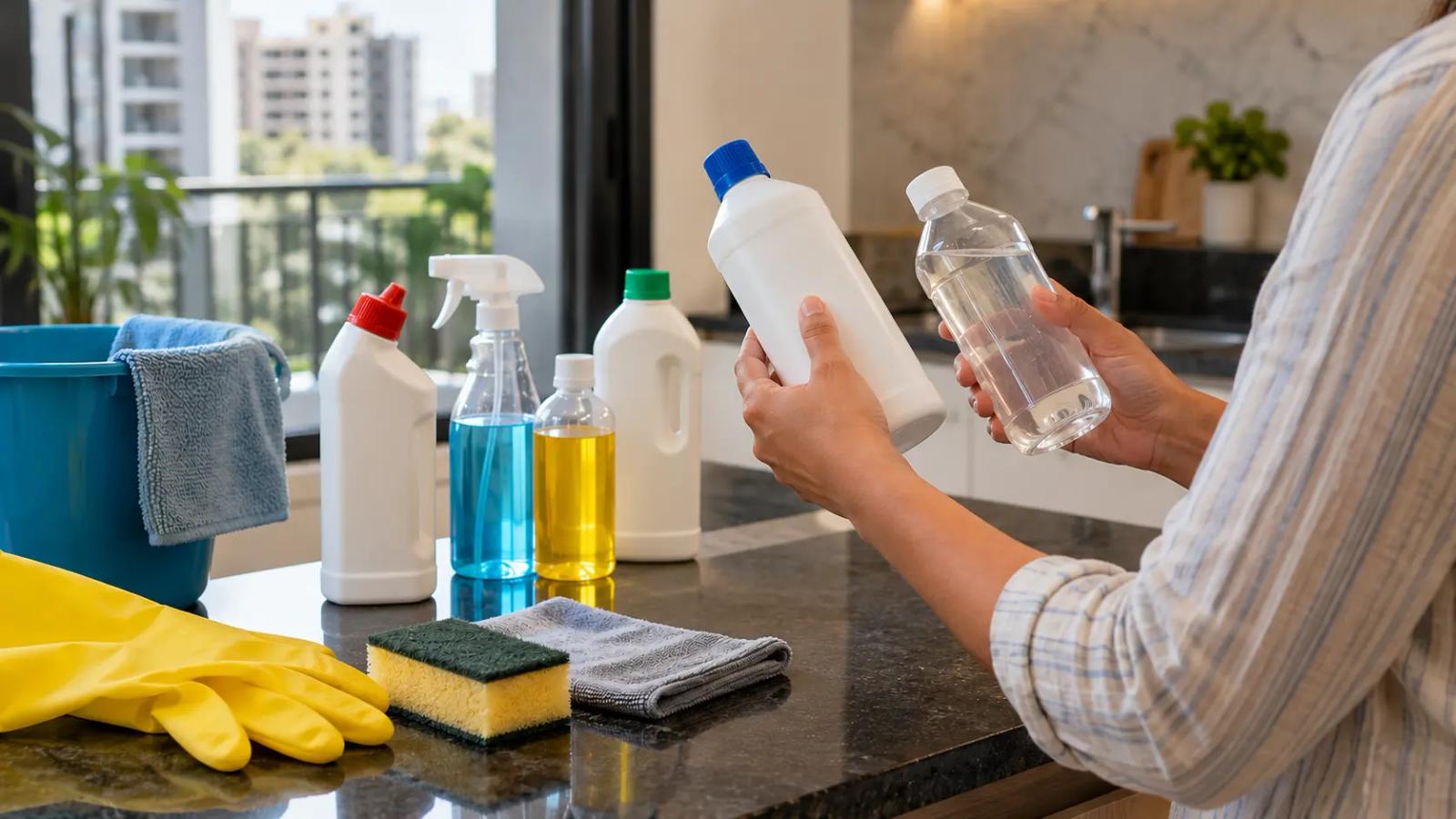
Which cleaning products can and cannot be mixed? Bleach should never be mixed with vinegar, ammonia or toilet cleaners. Many other products should be used one at a time and rinsed off in between, because mixing them leaves residue and can dull, stain or fade surfaces. A few combinations are safe only when the product label says so. Marble, grout, metal fittings, countertops and fabrics are the easiest to damage. This guide explains safe and unsafe combinations, the damage they cause and safer alternatives.
Most homes keep several cleaners under the sink, and it is tempting to combine them for extra power. Mixing often does the opposite, leaving marble dull, grout faded, taps stained and fabrics patchy. Knowing which cleaning products can and cannot be mixed protects the surfaces being cleaned. Read about child and pet friendly cleaning solutions and why they matter for gentler everyday options, then use this guide to avoid unsafe combinations.
Which Cleaning Products Can and Cannot Be Mixed?
Which cleaning products can and cannot be mixed? Most household cleaning products should be used separately unless their labels explicitly permit mixing. Bleach should never be mixed with vinegar, ammonia-based cleaners, toilet cleaners, descalers or other cleaning products. Using incompatible products can produce harmful fumes, leave residue, and damage household surfaces such as marble, tiles, grout, metal fittings, countertops and fabrics.
The following common household combinations fall into three categories: products that should never be mixed, products that should be used separately, and combinations that are safe only when the product label permits them.
Cleaning Products That Should Never Be Mixed
- Never mix bleach with vinegar, toilet cleaner or descaler. These combinations produce harmful fumes. They can also pit metal fittings and fade grout.
- Never mix bleach with ammonia-based glass or floor cleaner. These combinations produce harmful fumes. Bleach alone can fade coloured grout and fabric.
- Never mix bleach with hydrogen peroxide or rubbing alcohol. These combinations are unsafe and provide no extra cleaning benefit.
- Never mix hydrogen peroxide and vinegar in one bottle. This forms a corrosive mix that can damage surfaces.
Cleaning Products That Should Be Used Separately
- Use vinegar and baking soda separately. They cancel each other out and leave residue.
- Use an acidic descaler and an alkaline degreaser separately, rinsing between products. Residue leaves a dull film and can stain grout.
Which Cleaning Products Can Be Safely Combined?
- Mix concentrated cleaner with plain water only if the label permits it. Dilution as directed protects surfaces.
- Use mild dish soap with warm water for most sealed surfaces. This combination is gentle on tiles, steel and sealed counters.
Which Cleaning Product Combinations Are Safe?
Cleaning products are safe to combine only when the label says so, so the safest habit is using one product at a time.
Which Cleaning Products Should Be Used Separately?
Products that clean in opposite ways, or that leave residue, should be used separately with a plain water rinse in between. Common examples are:
- Vinegar and baking soda, which cancel each other out
- An acidic bathroom or descaling cleaner and an alkaline degreaser
- Different floor cleaners used one after another without rinsing
- Detergent and a separate stain remover on fabrics
Skipping the rinse leaves a film that dulls glossy tiles, streaks glass and attracts dirt faster.
When Is It Safe to Mix Cleaning Products?
Mixing cleaning products is safe only when the product label clearly allows it, such as diluting a concentrate with water as instructed. If the label does not mention mixing, assume it is not allowed.
Pro Tip:When in doubt, use one product, rinse with plain water, wipe dry and wait before using another.
How Do Wrong Cleaning Product Combinations Damage Surfaces?
Wrong cleaning products and combinations damage surfaces by etching, fading, staining or stripping the protective finish, and the damage is often permanent.
Why Does Marble Lose Its Shine After Cleaning?
Marble loses its shine when it meets acids such as vinegar, lemon or acidic bathroom and tile cleaners, which etch the polished surface and leave dull patches. Layering products makes it worse, since each leaves residue on a sensitive surface. A pH-neutral stone cleaner with water is the safer choice, as explained in the guide to top marble cleaning mistakes Indian homeowners make.
Why Do Tiles Get Discoloured and Grout Fade After Cleaning?
Tiles get discoloured and grout fades when strong bleach or acid cleaners are used, or when several products are layered without rinsing. Bleach can leave pale patches on coloured grout, and acids wear down cement-based grout until it turns lighter and powdery. Leftover residue also clouds glossy tiles. A mild cleaner, a soft brush and a plain water rinse protect both.
What Damages Metal Fittings and Taps During Cleaning?
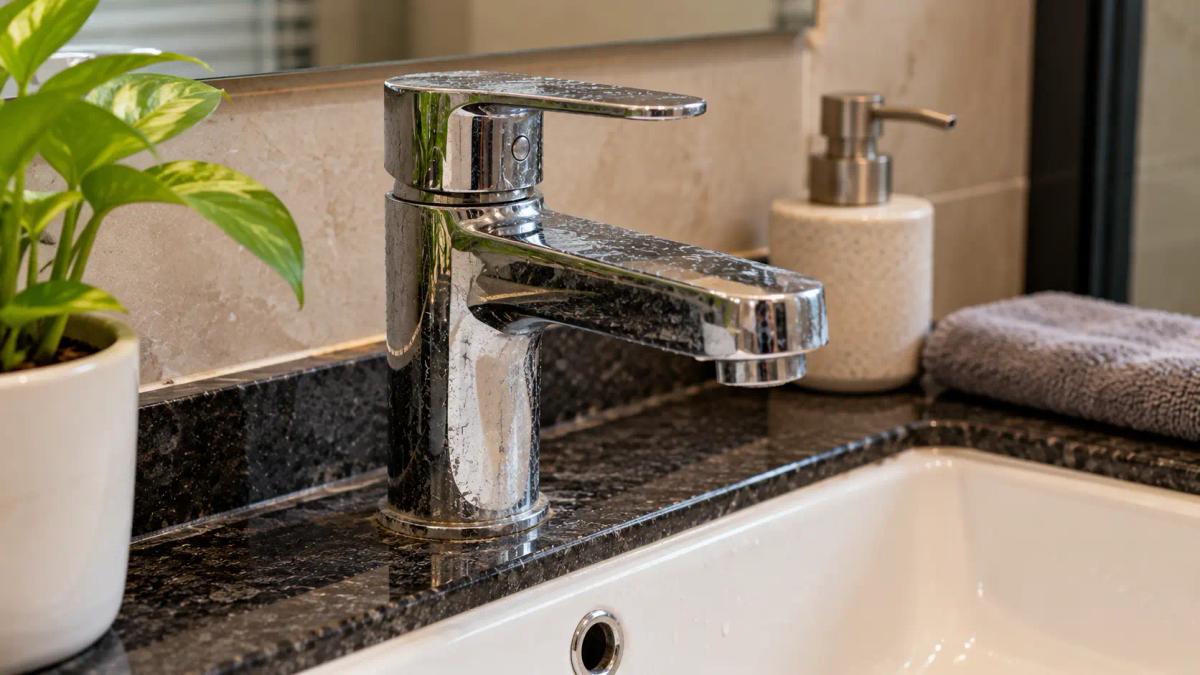
Metal fittings develop stains and dull spots when bleach, acids or abrasive powders are used on them, especially when products are mixed or left to sit. Bleach can pit stainless steel and leave rust-coloured spots. Abrasive scrubs scratch chrome, and acids can strip the lacquer on brass, leaving a patchy finish. Mild soap, warm water and a dry cloth are safer.
Can Cleaning Products Ruin Kitchen Countertops?
Cleaning products can ruin kitchen countertops because acids, bleach and harsh scrubbing agents wear away the sealant and polish. Vinegar and lemon can leave dull marks on sealed granite, bleach can discolour engineered stone and abrasive powders scratch laminate. Mild dish soap and warm water are usually enough for daily cleaning.
Why Do Fabrics Fade or Turn Patchy After Cleaning?
Fabrics fade or turn patchy when bleach or strong stain removers are used, or when detergent, stain remover and vinegar are layered without rinsing. Colour lifts unevenly, and leftover product leaves upholstery stiff and sticky. This is common with DIY sofa cleaning, as explained in the guide to why sofas get greasy armrests. A spot test in a hidden corner shows how the fabric reacts before the whole surface is cleaned.
How to Use Cleaning Products Safely on Household Surfaces
Surfaces stay safe when the label is read, a hidden spot is tested, one product is used at a time and each is rinsed off.
How to Avoid Damaging Surfaces With Cleaning Products in 6 Steps
Surfaces stay protected with six simple habits.
- Read the label first. Check the suitable surfaces and whether mixing is allowed.
- Test a hidden spot. Try the product on a small, hidden area and let it dry first.
- Use one product at a time. Rinse with plain water and wipe dry before using another.
- Start with the mildest option. Try soap and warm water before moving to a stronger product.
- Follow the dilution on the label. More product does not clean better and can leave a dulling residue.
- Keep products in their original bottles. Never refill a bottle with another product.
What Are Safer Alternatives to Mixing Cleaning Products?
Safer alternatives to mixing are one targeted product at a time, such as a pH-neutral cleaner for stone and tiles, mild dish soap and warm water for most sealed surfaces, and a damp microfibre cloth for light dirt. If marble, grout or fittings already look dull, professional help prevents further damage.
How to Protect Household Surfaces From Cleaning Product Damage
The rule for mixing cleaning products is simple. Never mix bleach with vinegar, ammonia, toilet cleaners or other cleaners, use most other products separately with a rinse in between, and mix only when the label allows. For one of the most affected areas, follow this complete guide to cleaning a bathroom.
Surfaces looking dull or stained after cleaning at home?
Frequently Asked Questions
Which cleaning products should never be mixed?
Bleach should never be mixed with vinegar, ammonia-based cleaners, toilet cleaners or descalers. Hydrogen peroxide and vinegar should also never share one bottle.
Can vinegar and baking soda be mixed for cleaning?
Vinegar and baking soda can be mixed, but they cancel each other out, so the cleaning power drops. Vinegar should never be used on marble or other natural stone.
Can different brands of cleaners be mixed?
Different brands should not be mixed unless both labels allow it. Their ingredients may react or leave residue that dulls surfaces. It is safer to use one product at a time and rinse in between.
What happens if the wrong cleaner is used on marble?
The wrong cleaner can etch marble, leaving dull patches and a loss of shine. Acids such as vinegar and lemon are the most common cause. Etched marble usually needs professional polishing.
Is it safe to use vinegar on tiles and grout?
Vinegar can wear down cement-based grout and dull some tile finishes with repeated use. A mild, pH-neutral tile cleaner is safer for regular cleaning.
How can damage from cleaning products be avoided?
Use one product at a time and check the label for suitable surfaces. Test a hidden spot first and rinse with plain water between products.