
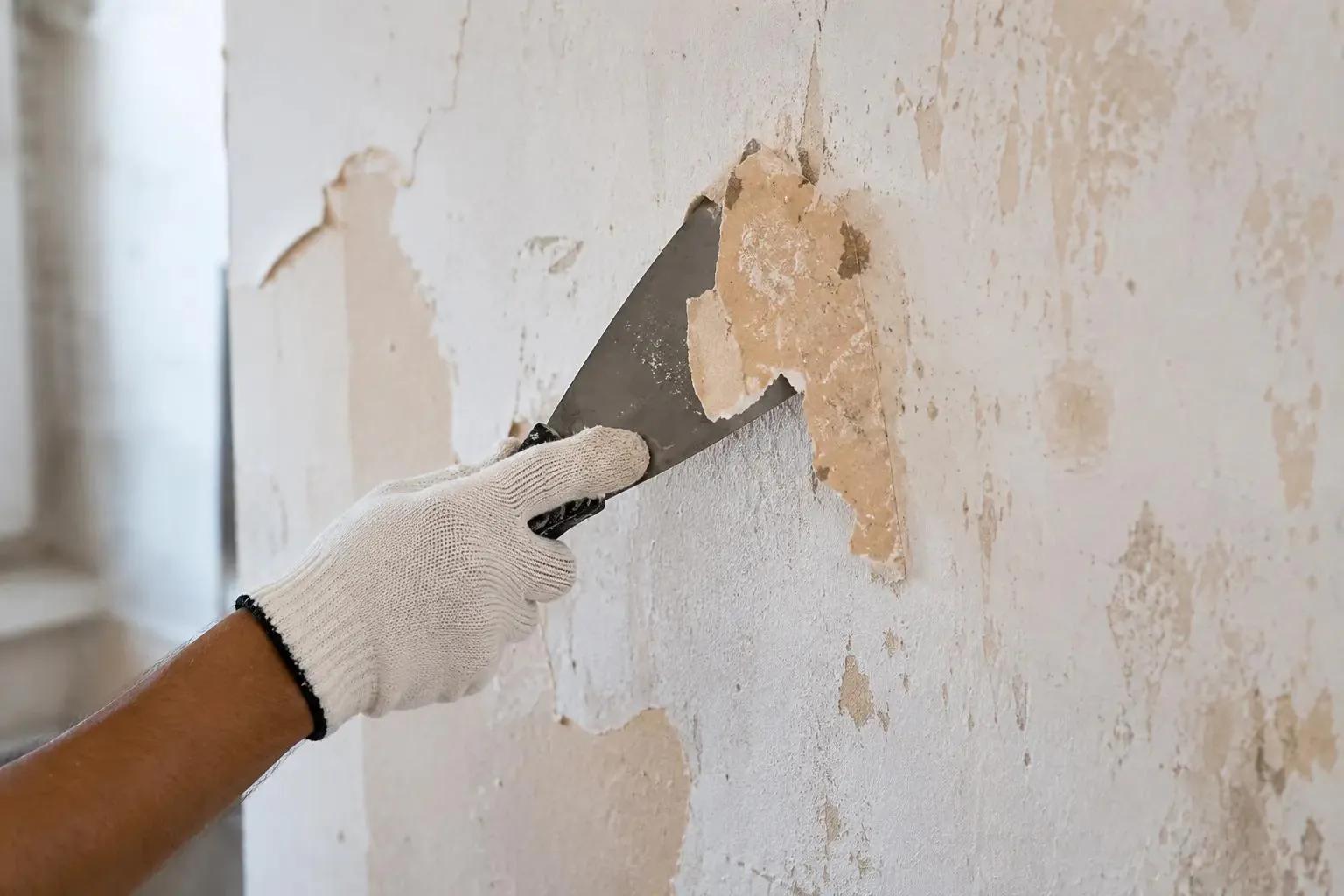
How to Repair a Wall After Removing Wallpaper
Removing old wallpaper can instantly refresh a room, but it often reveals another problem underneath. Torn drywall paper, peeling paint, leftover adhesive, and uneven surfaces are all common after wallpaper removal. While this may seem frustrating, most of these issues can be repaired with the right preparation before painting or installing new wallpaper.
The key is not to rush the process. Proper wall repair creates a smooth surface, improves paint adhesion, and helps your walls look their best for years to come.
Why Do Walls Get Damaged After Removing Wallpaper?
Wallpaper is designed to stick firmly to the wall, so removing it can sometimes pull away paint, drywall paper, or small sections of plaster along with the adhesive. Older wallpaper or walls that weren’t properly primed before installation are even more likely to suffer damage during removal.
Another common issue is wallpaper glue. Even if the wallpaper comes off cleanly, adhesive residue often remains on the wall. If it isn’t removed completely, primer and paint may not bond properly, leading to peeling, bubbling, or an uneven finish later.
Before starting any repairs, inspect the entire wall for torn areas, cracks, dents, loose plaster, or leftover adhesive. Identifying these problems early makes it easier to restore the wall properly.
How to Repair a Wall After Removing Wallpaper
Start by removing any remaining wallpaper glue using warm water or a suitable adhesive remover. Wipe the wall thoroughly and allow it to dry completely. This step is essential because leftover adhesive can affect every repair that follows.
Next, repair any visible damage. Fill small holes, cracks, and dents with a suitable wall filler or joint compound. If larger sections of drywall paper have torn away or the surface is uneven, a skim coat may be needed to restore a smooth finish.
Once the repairs have dried, sand the wall gently to remove rough edges and create an even surface. Wipe away all dust before moving to the next step.
Finally, apply a high-quality primer. Primer seals repaired areas, improves paint adhesion, and creates a consistent base for your chosen paint colour or new wallpaper. Skipping primer may result in patchy paint or visible repair marks.
Taking the time to complete each step properly helps prevent future problems and gives your walls a professional-looking finish.
How to Get a Smooth Finish Before Painting
Even after repairing the wall, a few final checks can make a big difference.
Run your hand across the surface to feel for uneven patches that may not be visible. If necessary, sand lightly once more before cleaning away the dust. Make sure every repaired section is completely dry before applying primer or paint.
If you’re painting the wall, consider repainting the entire surface instead of touching up only the repaired areas. This helps create a more uniform finish, especially if the existing paint has faded over time.
Some walls require more extensive restoration than simple filling and sanding. Large damaged sections, loose plaster, or multiple layers of old wallpaper may need professional wall repair to achieve a durable and seamless result.
Final Word
Repairing a wall after removing wallpaper isn’t just about fixing visible damage. It’s about creating a strong, smooth surface that allows paint or new wallpaper to last longer and look better. Cleaning away adhesive, repairing imperfections, sanding carefully, and applying primer are all essential parts of the process.
At Clean Fanatics, we provide professional wall repair, surface preparation, and painting services to restore walls after wallpaper removal. Whether you’re dealing with minor damage or extensive repairs, our team ensures your walls are properly prepared for a clean, long-lasting finish.
FAQs
It’s not recommended. The wall should first be cleaned, repaired, sanded, and primed to ensure the paint adheres properly and provides a smooth finish.
Yes. Leftover adhesive can prevent primer and paint from bonding correctly, which may lead to peeling, bubbling, or uneven paint.
Wallpaper adhesive can pull away paint, drywall paper, or plaster during removal, especially if the wall wasn’t properly primed or the wallpaper has been in place for many years.
Skim coating involves applying a thin layer of joint compound over the wall to smooth out widespread imperfections. It’s useful when the wall has extensive surface damage after wallpaper removal.
If the wall has significant damage, loose plaster, deep gouges, or uneven surfaces that simple filling can’t fix, professional wall repair can help achieve a stronger and more polished result.