
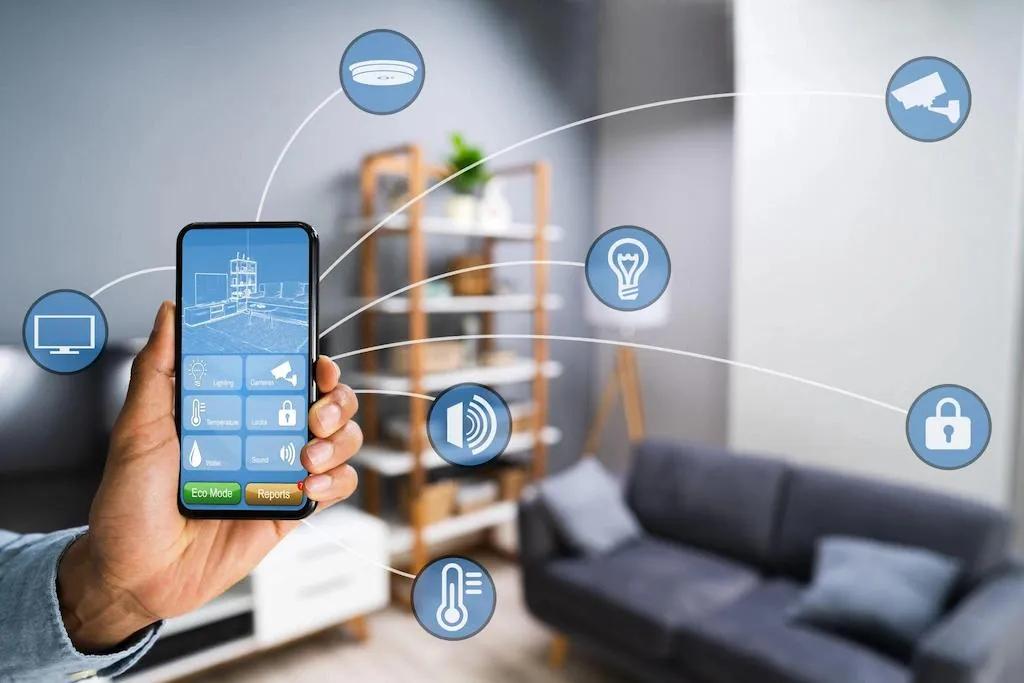
Smart Home Wiring and Automation During Renovation: A Practical Guide
To add smart home automation during a renovation, plan the wiring and network first, map your smart zones room by room, and choose one ecosystem to build around.
If you’ve been thinking about upgrading your home to a smart one, your renovation period is the best time to do it. Whether you’re updating your interiors or rebuilding entire sections, integrating smart home automation while renovating helps you plan efficiently, avoid rework, and make your space future-ready.
Instead of adding gadgets later, you can now design your home with intelligence built into its foundation, where every light, switch, and sensor works together seamlessly.
To add smart home automation during a renovation, plan the wiring and network first, map your smart zones room by room, and choose one ecosystem to build around.
Why Your Renovation Is the Best Time to Go Smart
Most homeowners think of home automation as a “later” upgrade, but waiting until after renovation often means redoing wiring, opening walls again, or compromising on aesthetics. Doing both together makes practical and financial sense, especially since choosing the smarter way to go smart often involves focusing on your infrastructure rather than just buying new gadgets.
During renovation, walls and ceilings are already open, making it the perfect opportunity to:
- Hide automation wiring and control modules without disturbing the design later.
- Plan smart lighting circuits and sensor placements before false ceilings go up.
- Install smart switches or touch panels that blend with your interior style.
- Upgrade to energy-efficient systems like automated curtains, thermostats, or lighting schedules.
Not only does this approach save you money in the long run, but it also gives your home a cleaner look – no messy wiring or visible add-ons. While planning your smart wiring, consider upgrading other areas too – our Bathroom Renovation Services ensure your spaces are both functional and stylish.
Pro Tip: When you’re redoing walls or flooring, ask your contractor to leave conduits for future automation upgrades, even if you’re starting small now.
Smart Home Wiring Ideas: Start with the Wiring and Network Backbone
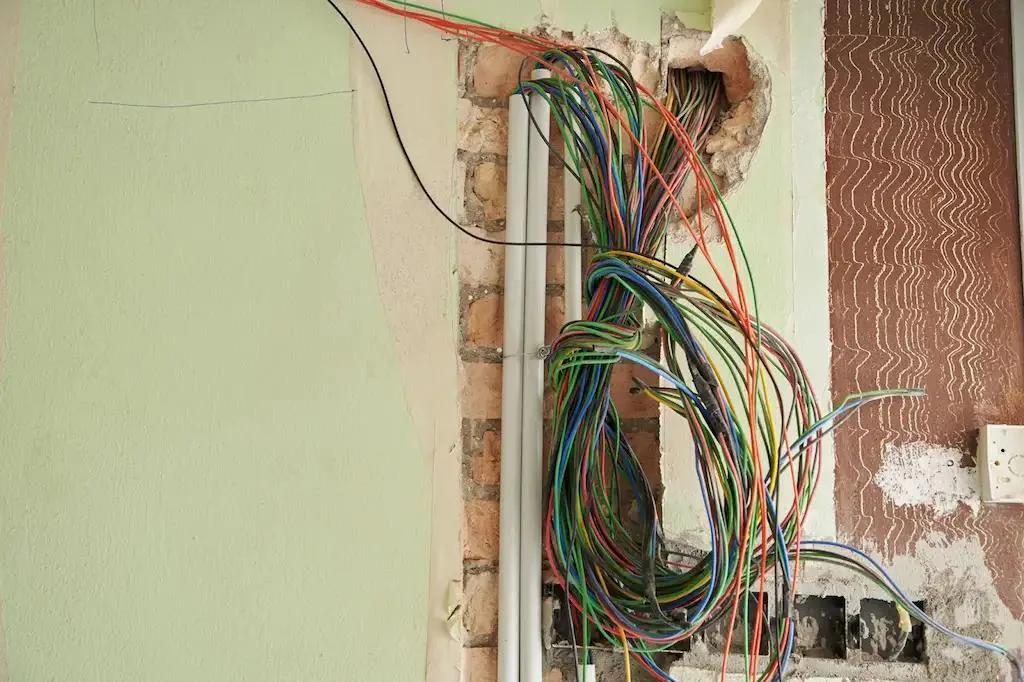
Smart homes run on solid infrastructure, and that means electrical wiring and connectivity. Before you pick your smart bulbs or Alexa devices, make sure your home can support them.
Start by discussing a smart home wiring plan with your renovation team. Focus on these wiring ideas:
- Structured cabling: Use CAT6 or fiber cables for a high-speed, reliable network that supports multiple smart devices.
- Power backup integration: Automation hubs, routers, and smart locks should remain functional during power cuts.
- Smart switchboards and panels: Modern panels allow easier integration with mobile apps or voice assistants.
- Router and Wi-Fi placement: Poor Wi-Fi = poor automation. Plan for strong coverage across every room. A strong network pairs well with an updated interior – check out our Interior Painting Services to complement your new smart home setup.
For larger homes, you can even install centralized automation controllers in concealed utility panels – this keeps your system neat, organized, and easier to maintain. And if your renovation includes flooring upgrades, our Tiles/Stone Replacement Service ensures a seamless finish that pairs perfectly with your smart home setup.
Pro tip: Always use certified electricians familiar with automation wiring standards; incorrect installations can cause voltage drops or connectivity issues later.
Map Out Your Smart Zones Room by Room
When your renovation begins, you’ll have to make decisions about lighting points, switch placements, and outlets. That’s your cue to think in “zones.”
A zonal plan helps you assign levels of automation to each space depending on how you use it:
- Living Room: Motion-sensor lights, automated curtains, and entertainment integration for TV and speakers.
- Kitchen: Smart plugs for appliances, under-cabinet motion lighting, and water-leak sensors.
- Bathroom: Smart bathroom technology such as smart exhaust fans, heated mirrors, and humidity sensors.
- Bathroom: Smart exhaust fans, heated mirrors, and humidity sensors.
- Entryway: Video doorbells, keyless smart locks, and pathway lights.
When you coordinate early, your interior designer and electrician can work together to ensure sockets, conduits, and fixtures align perfectly with your devices. And don’t forget to keep your furniture looking fresh – our Sofa Cleaning Service helps maintain comfort and cleanliness while renovations are underway.
Pro Tip: Always plan for at least 20-30% more electrical and data points than you think you’ll need – future upgrades will thank you for it.
Choose the Right Ecosystem and Devices

The world of smart home systems can be confusing – Apple HomeKit, Google Home, Alexa, Zigbee, Matter, and so on. The key is to choose one ecosystem and build around it to ensure smooth communication between devices.
Here’s how to make it simple:
- Start small but scalable. Begin with core areas like lighting and security, and expand later.
- Ensure cross-compatibility. Check if your chosen lights, plugs, and sensors work under the same hub.
- Opt for modular automation. Systems that allow manual control and app control both give flexibility.
- Consider data privacy. Look for devices that support encrypted networks and local storage options.
- Think local support. Choose brands with service centers or certified installers nearby in India.
And if you’re unsure, bring in a smart home consultant before your renovation finishes; they can help align your wiring and ecosystem so everything fits neatly when you move in. Pairing technology with safety? Our General Pest Control Service ensures your renovated spaces remain hygienic and protected.
Example setup: A hybrid system where Philips Hue handles lighting, Google Home manages voice commands, and a smart hub connects cameras and sensors for unified control.
Final Word: Smart Homes Are Built on Smart Timing
A well-timed renovation isn’t just about aesthetics, it’s about opportunity. Integrating smart home automation while renovating means you’re designing a living space that’s not only beautiful but intelligent, energy-efficient, and secure.
By aligning your renovation team and automation expert from the start, you avoid duplication, save on costs, and achieve a seamless blend of design and technology.
Think of it this way: your contractor builds the structure, but your automation setup brings it to life. Together, they create a home that feels effortless to live in.
So, if you’re in the middle of a renovation or planning one soon, now’s the time to make your home future-ready. Combine design, comfort, and smart control – all at once.
At Clean Fanatics, we bring together renovation expertise and smart home integration, helping you upgrade your space with precision, planning, and style. From rewiring to finishing touches, we make sure your home looks modern and works smarter.
Give Your Home a Fresh Finish with Professional Interior Painting
Planning a smarter, more comfortable home? Complete your interiors with professional painting services from Clean Fanatics. Refresh your walls with suitable colours and finishes that complement your home's updated design.
Frequently asked questions
Can I install smart home automation after renovation?
Yes, but it limits what you can do. You will be restricted to Wi-Fi-based devices and smart plugs instead of fully integrated systems that need concealed wiring.
How much does it cost to integrate smart automation during renovation?
The cost depends on your setup. Basic lighting and appliance automation may start around ₹25,000, while advanced systems with sensors and hubs can cost more.
Do smart home systems consume a lot of power?
No. Most smart devices are energy-efficient, and automation can reduce electricity use through motion control and scheduling.
How do I plan smart home wiring during a renovation?
Discuss a wiring plan with your renovation team and focus on structured cabling (CAT6 or fiber), power backup for hubs, routers and smart locks, smart switchboards and panels, and Wi-Fi coverage in every room. Ask your contractor to leave conduits for future automation upgrades, and use certified electricians familiar with automation wiring standards.
When is the best time to add smart home automation?
During renovation. Walls and ceilings are already open, so you can hide wiring and control modules, plan smart lighting circuits and sensor placements before false ceilings go up, and avoid redoing wiring or opening walls again.
How many extra electrical and data points should I plan?
Plan for at least 20–30% more electrical and data points than you think you will need, so future upgrades are easy.
Which smart home ecosystem should I choose?
Choose one ecosystem and build around it, so your devices communicate smoothly. Start small but scalable, check that your lights, plugs and sensors work under the same hub, and look for brands with service centers or certified installers nearby in India.