
How to Maintain a Home When You Have Tenants: A Landlord's Guide
Owning a rental property can sometimes feel like maintaining a car that someone else drives every day. You may not notice the small problems immediately, but wear and tear continues.
A dripping tap, a small damp patch or a pest problem may seem minor at first. Left unaddressed, however, these issues can become more expensive repairs.
So, how do you maintain a home when you have tenants? The answer is not to wait for something to break. A proper maintenance system can help you protect the property while keeping the home comfortable for the people living in it.
1. Start with a Proper Inspection Before Tenants Move In
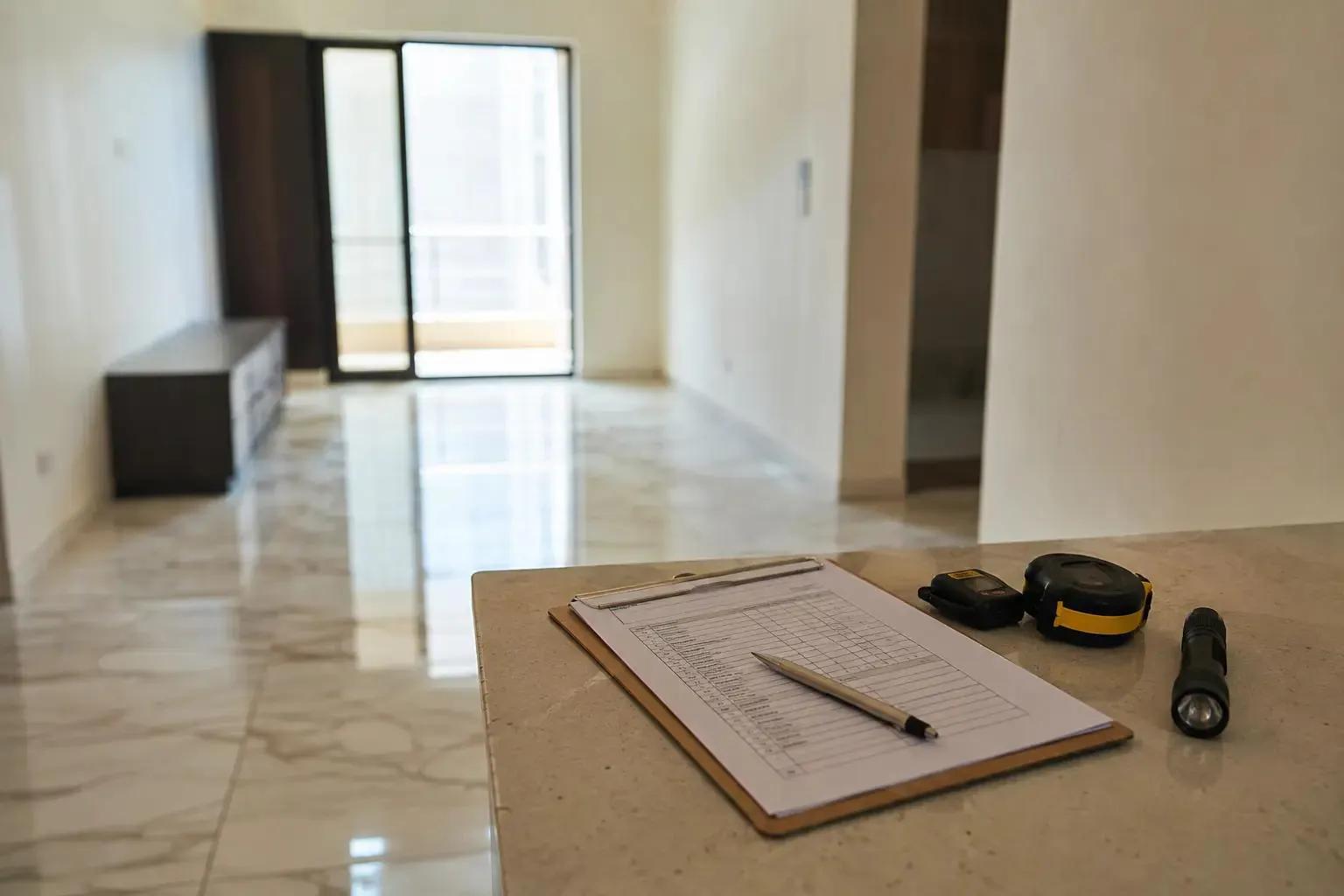
Before handing over the property, inspect and document its condition. This gives you a clear starting point for future maintenance.
Check:
- Walls, paint and plaster
- Floors, tiles and grout
- Plumbing fixtures and visible leaks
- Damp patches and water stains
- Doors, windows and other fixtures
- Signs of pests or termite activity
Take photographs of the property’s condition before the tenant moves in. This can help you track changes over time and identify whether a problem is new or pre-existing.
It is also a good time to address existing issues. A home with damaged walls, poor grout, water seepage or pest activity is more likely to develop further problems if these are simply left for the next tenant to discover.
2. Create a Preventive Rental Property Maintenance Schedule
The easiest way to maintain a rental property is to avoid treating maintenance as an emergency-only activity.
Depending on the property, regular checks may include:
- Looking for water leaks and seepage
- Checking for dampness and mould
- Monitoring pest activity
- Inspecting walls and paint
- Checking flooring and grout
- Addressing general cleaning and upkeep
The frequency will depend on the age, condition and location of the property. A home in Bengaluru, for example, may need particular attention to waterproofing, dampness and pest activity during and after the monsoon.
Preventive maintenance does not mean carrying out every service on a fixed schedule regardless of need. It means checking the property regularly and addressing problems before they become more extensive.
3. Make It Easy for Tenants to Report Problems
Your tenants are the people living in the property every day. They may notice a leaking pipe, damp wall, pest problem or unusual smell long before you do.
Make it easy for them to report maintenance issues and encourage them to do so early.
A simple message such as:
“Please let me know as soon as you notice a leak, damp patch, pest problem or other issue.”
can make a difference.
The key is to treat maintenance as a shared responsibility. Tenants should be able to report problems without feeling that every repair request will become an argument. Landlords, in turn, should respond before a small issue becomes a major one.
For example, a minor water leak can eventually cause damage to walls or flooring. A small pest problem can also become more difficult to control when left untreated.
4. Use the Gap Between Tenants for a Complete Property Refresh
The period between tenants is one of the best opportunities to inspect and restore a rental property.
Once a tenant moves out, check whether the home needs:
- Deep cleaning
- Pest control
- Wall repairs
- Repainting
- Marble polishing
- Grouting
- Waterproofing
- Other civil repairs
Not every property needs every service. The right approach is to inspect first and then prioritise the work.
For example, if walls have peeling paint because of water seepage, repainting alone may only provide a temporary solution. The underlying moisture problem may need to be addressed first.
Similarly, damaged grout or dull flooring may not require replacement. Depending on the condition, professional repair, polishing or restoration may be enough.
A practical turnover process is:
Tenant moves out → Inspect → Clean → Repair → Refresh → New tenant moves in
This can help keep the property presentable and reduce the chances of carrying old problems into a new tenancy.
Final Word
Maintaining a rental property is easier when it is treated as an ongoing process rather than something that begins only when a tenant calls with an emergency.
Inspect the property before and between tenancies, create a preventive maintenance routine and make it easy for tenants to report problems. When issues do appear, address the cause instead of simply covering up the visible damage.
A well-maintained rental home is better for everyone involved – the landlord, the tenant and the property itself.
FAQs
The frequency depends on the property, tenancy agreement and applicable local rules. Inspections should be planned properly and communicated to tenants in advance.
Common maintenance may include cleaning, pest control, painting, waterproofing, grouting, flooring care and civil repairs, depending on the property’s condition.
Create a maintenance schedule, keep communication open with tenants and have a reliable system for arranging inspections and repairs when needed.
A thorough cleaning between tenants can help remove accumulated dirt, dust, stains and odours and prepare the property for its next occupant.
Regular inspections, preventive maintenance and addressing small issues early can help reduce the risk of more extensive damage.
Responsibility can depend on the rental agreement, the nature of the problem and applicable local regulations. Landlords and tenants should clearly understand their respective responsibilities.