
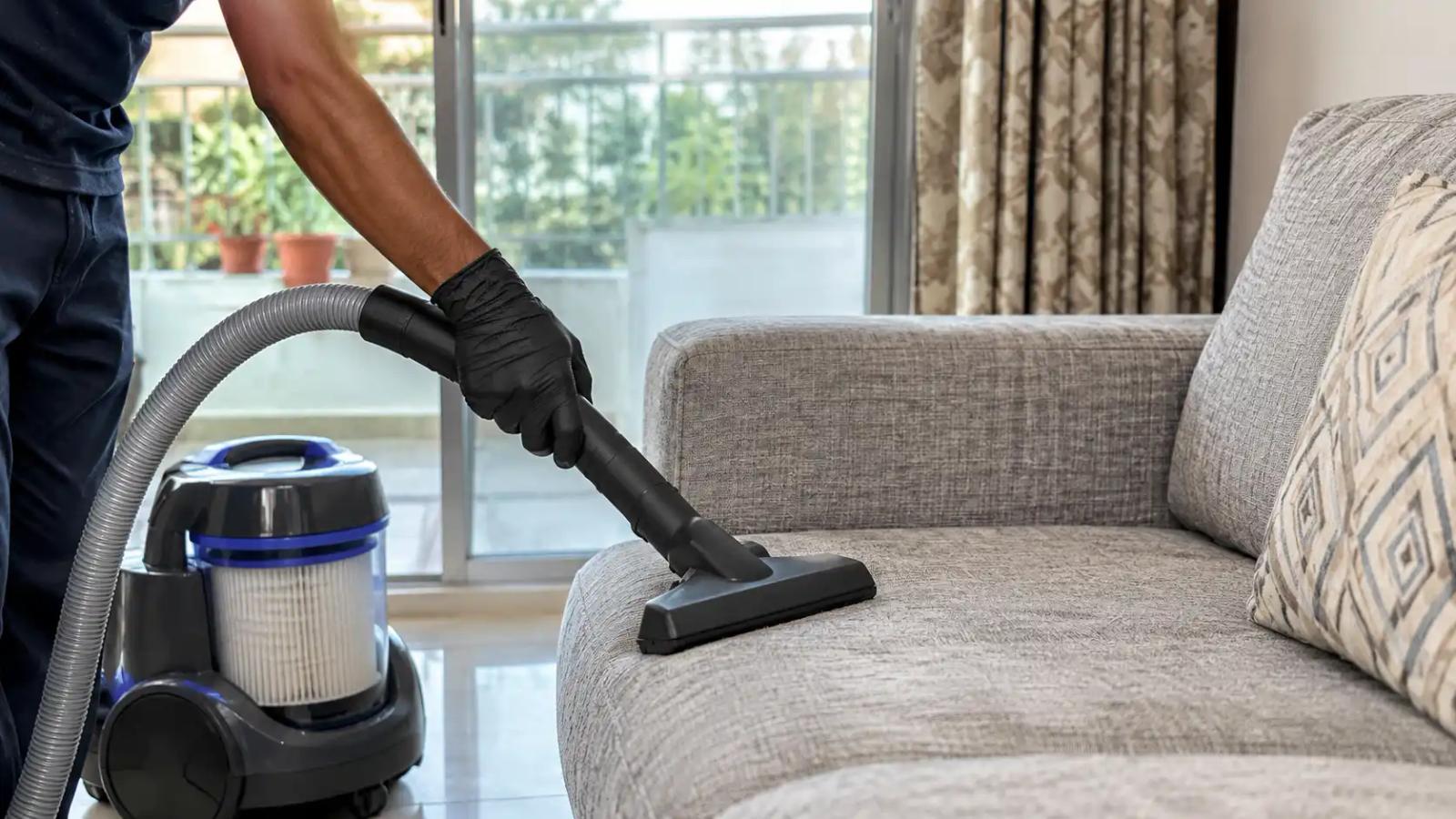
At a Glance
What is a HEPA filter? It is a high-efficiency particulate air filter that captures at least 99.97% of particles 0.3 microns in size, including dust, pollen, pet dander, mould spores and dust-mite waste. A normal vacuum often lets fine particles pass through its filter back into the room. HEPA works only when the filter is genuine, the vacuum is sealed and the filter is kept clean. It traps particles, not odours, and does not clean surfaces by itself. This guide explains how it works.
Vacuuming looks like cleaning, but a vacuum that cannot hold fine dust simply moves it from the carpet into the air. That is why HEPA filters are often mentioned for allergies and dusty homes, and why they are often misunderstood. This guide explains what a HEPA filter is, what it can and cannot do, and how it differs from a normal vacuum. For the allergens involved, see dust mites and how to get rid of them.
What Is a HEPA Filter and How Does It Work?
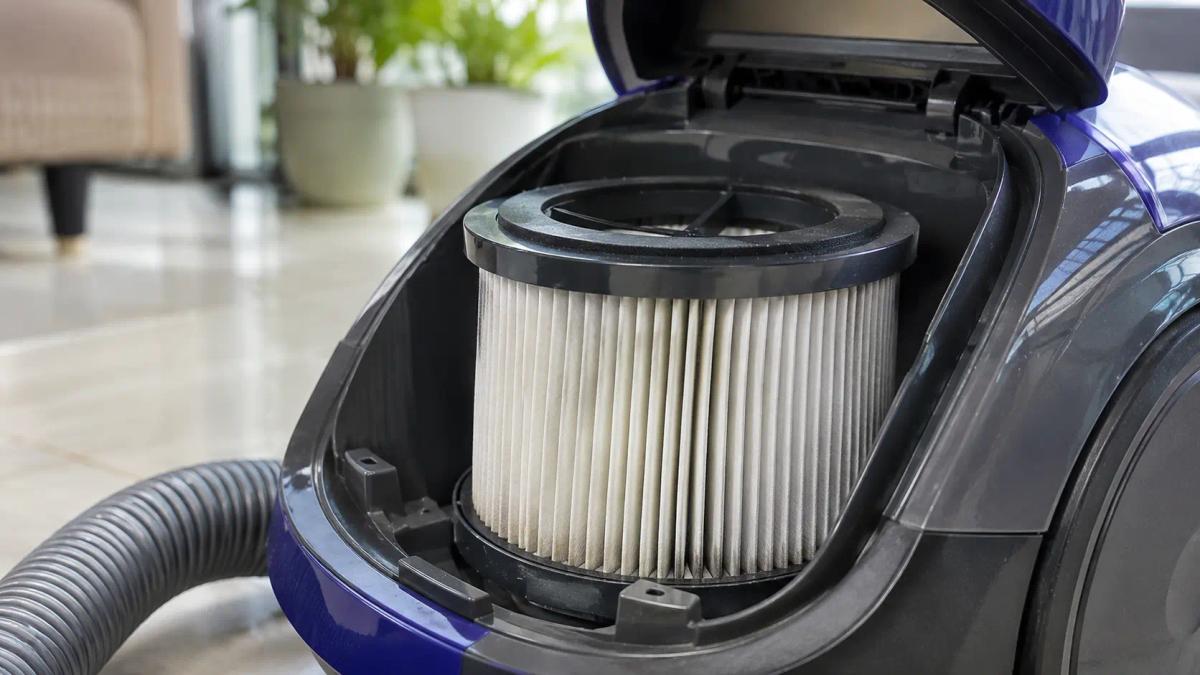
A HEPA filter, short for High-Efficiency Particulate Air filter, is a dense filter that must capture at least 99.97% of particles 0.3 microns in size to carry the name.
The filter is a thick mat of very fine fibres that traps particles as air is forced through it. The 0.3 micron size is used for testing because it is the hardest size to catch, so a filter that performs well at that size performs well on most others. A micron is a millionth of a metre, far smaller than anything the eye can see.
What Does a HEPA Filter Trap?
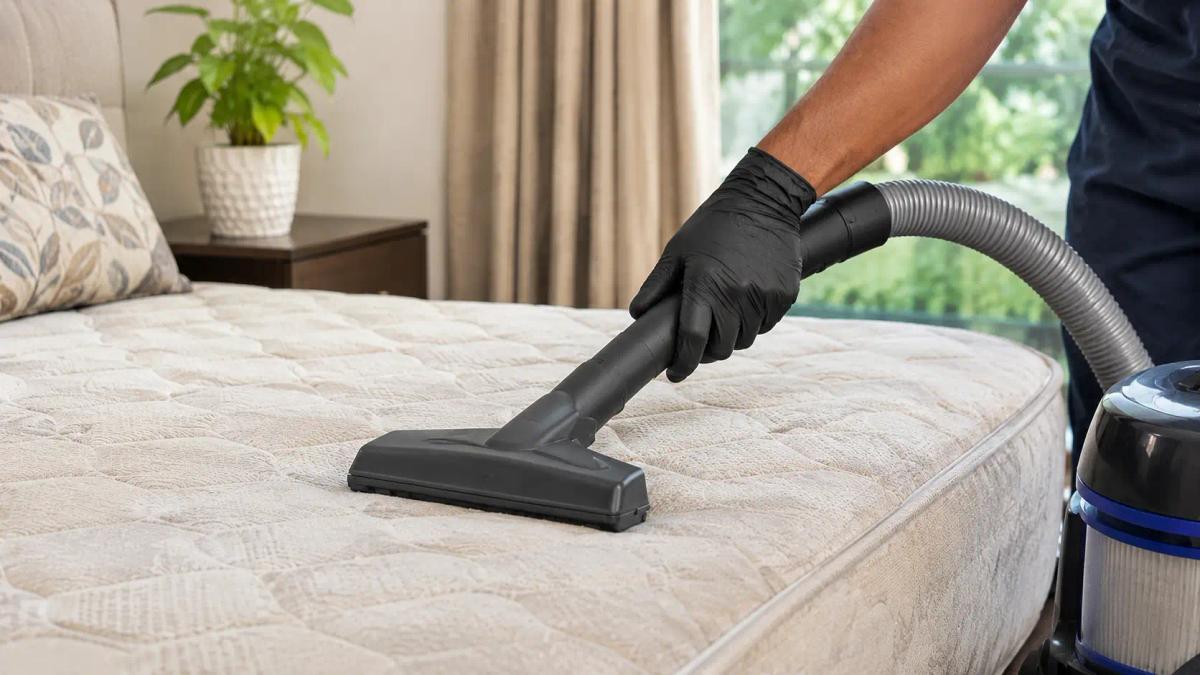
A HEPA filter traps fine particles that are mostly invisible, and the common ones in a home are:
- Dust and fine debris.
- Pollen.
- Pet dander and hair.
- Mould spores, which measure roughly 1 to 30 microns.
- Dust-mite waste, which measures roughly 10 to 40 microns.
These particles are the main triggers of dust-related irritation indoors. A HEPA vacuum holds them inside the machine instead of releasing them back into the room. This matters most on sofas, mattresses and carpets, where fine dust settles deep in the fabric.
What Does a HEPA Filter Not Do?
A HEPA filter does not remove odours or gases, does not clean dirt out of fabric by itself, and does not help if the vacuum leaks around it.
- Odours and gases: A HEPA filter traps particles only.
- Dirt embedded in fabric: This needs proper cleaning.
- Live mites deep in padding: A vacuum cannot reach them, and a filter does not kill them.
- Particles that bypass the filter: These escape through gaps in an unsealed machine.
Why Is a HEPA Vacuum Different From a Normal Vacuum?
A normal vacuum often lets fine dust pass through its filter and out of its exhaust, while a HEPA vacuum filters the exhaust so fine particles stay inside.
Standard filters catch larger debris but let fine particles escape, which is why a room can feel dusty straight after vacuuming. The table below compares the two.
| Feature | Normal Vacuum | HEPA Vacuum |
|---|---|---|
| Fine particles | Often pass through the filter | Trapped by the filter |
| Exhaust air | Can carry fine dust back into the room | Filtered before it leaves |
| Sealed system | Not required | Needed so no air bypasses the filter |
| Allergens | Can be recirculated | Held inside the vacuum |
| Best for | Everyday crumbs and larger dirt | Fine dust, pollen, dander and mite waste |
What Is the Difference Between True HEPA and HEPA-Type Filters?
True HEPA is a certified standard of at least 99.97% capture at 0.3 microns, while HEPA-type and HEPA-style are marketing terms for filters that may capture less. Some sources put HEPA-type filters at roughly 85 to 90 percent, though the figure varies, so a meaningful share of fine dust can pass through. A stated true HEPA specification is a more reliable check than the word HEPA on a box.
Why Does a Sealed System Matter?
A sealed system matters because a HEPA filter only cleans the air that passes through it, so a vacuum with leaks lets dust escape around the filter. A true HEPA filter in a leaky machine can perform worse than a lesser filter in a well-sealed one. Even in a sealed machine, emptying a bagless bin can release a puff of fine dust, so bins and bags should be emptied with care.
Why Do HEPA Vacuums Matter in Bangalore’s Dusty Homes?
HEPA vacuums matter in Bangalore’s dusty homes because sofas, mattresses and carpets hold fine dust and mite waste, and a normal vacuum can stir that dust back into the air.
Road dust, pollen and daily use keep feeding fabrics with fine particles. Capturing them instead of redistributing them is the first job of any proper fabric clean, which is why HEPA-filter vacuuming is the first step in how Clean Fanatics cleans sofas and mattresses, as explained in sofa cleaning methods explained and mattress cleaning methods.
How to Get the Most From a HEPA Vacuum
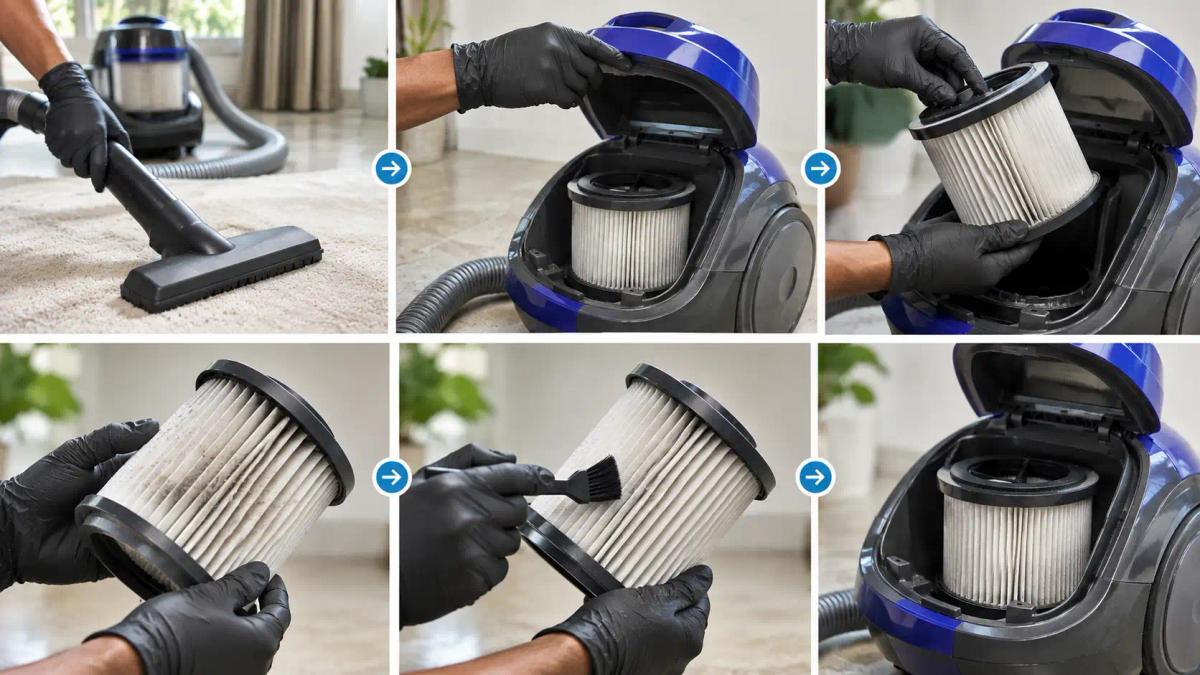
A HEPA vacuum works best when it is genuine, sealed, well maintained and used before any wet cleaning.
- Check for true HEPA and a sealed system. Look for a stated 99.97% rating at 0.3 microns and a design that sends all exhaust through the filter.
- Keep the filter maintained. Clean or replace it as the maker advises, because a clogged filter loses airflow and performance.
- Empty the bin or bag carefully. Do it slowly, ideally outdoors, so fine dust is not released back into the room.
- Vacuum slowly. Slow passes give the machine time to lift fine dust out of fabric.
- Vacuum before wet cleaning or sanitizing. Removing dust first stops it turning to mud under shampoo and keeps it from blocking UV-C light.
How to Choose the Right Vacuuming Method for Home Cleaning
A HEPA filter captures at least 99.97% of fine particles at 0.3 microns, but only a sealed, well-maintained machine delivers that in practice, and it traps particles, not odours. It is the right first step for any fabric clean, and the fabric itself still decides what happens next, as covered in this guide to choosing a carpet cleaning method.
Want sofas, mattresses and carpets vacuumed with a HEPA filter first?
Frequently asked questions
What does HEPA stand for?
HEPA stands for High-Efficiency Particulate Air. A filter must capture at least 99.97% of particles 0.3 microns in size to carry the name.
Does a HEPA filter remove dust mites?
A HEPA filter traps dust-mite waste, which measures roughly 10 to 40 microns, and a HEPA vacuum holds it inside the machine instead of releasing it into the room. It cannot reach live mites deep in padding, and a filter does not kill them.
Is a HEPA vacuum better than a normal vacuum?
For fine dust and allergens, a HEPA vacuum is better, because it filters the exhaust instead of letting fine particles escape. A normal vacuum is fine for everyday crumbs and larger dirt. The seal and the filter quality matter as much as the label.
What is the difference between true HEPA and HEPA-type?
True HEPA is a certified standard of at least 99.97% capture at 0.3 microns. HEPA-type and HEPA-style are marketing terms for filters that may capture less. A stated specification is the reliable check.
Does a HEPA filter remove odours?
A HEPA filter does not remove odours or gases, because it traps particles only. Dirt embedded in fabric needs proper cleaning.
How often should a HEPA filter be cleaned or replaced?
Clean or replace the filter as the maker advises, because a clogged filter loses airflow and performance.
Does Clean Fanatics use HEPA-filter vacuuming for sofa cleaning and mattress cleaning in Bangalore?
Yes. HEPA-filter vacuuming is the first step in how Clean Fanatics cleans sofas and mattresses, because capturing fine dust instead of redistributing it is the first job of any proper fabric clean.
What does a HEPA filter trap?
A HEPA filter traps fine particles that are mostly invisible: dust and fine debris, pollen, pet dander and hair, mould spores (roughly 1 to 30 microns) and dust-mite waste (roughly 10 to 40 microns).
Why does a room feel dusty after vacuuming?
A normal vacuum often lets fine dust pass through its filter and out of its exhaust. Standard filters catch larger debris but let fine particles escape, which is why a room can feel dusty straight after vacuuming.
Why does a sealed system matter for a HEPA vacuum?
A sealed system matters because a HEPA filter only cleans the air that passes through it, so a vacuum with leaks lets dust escape around the filter. A true HEPA filter in a leaky machine can perform worse than a lesser filter in a well-sealed one.