
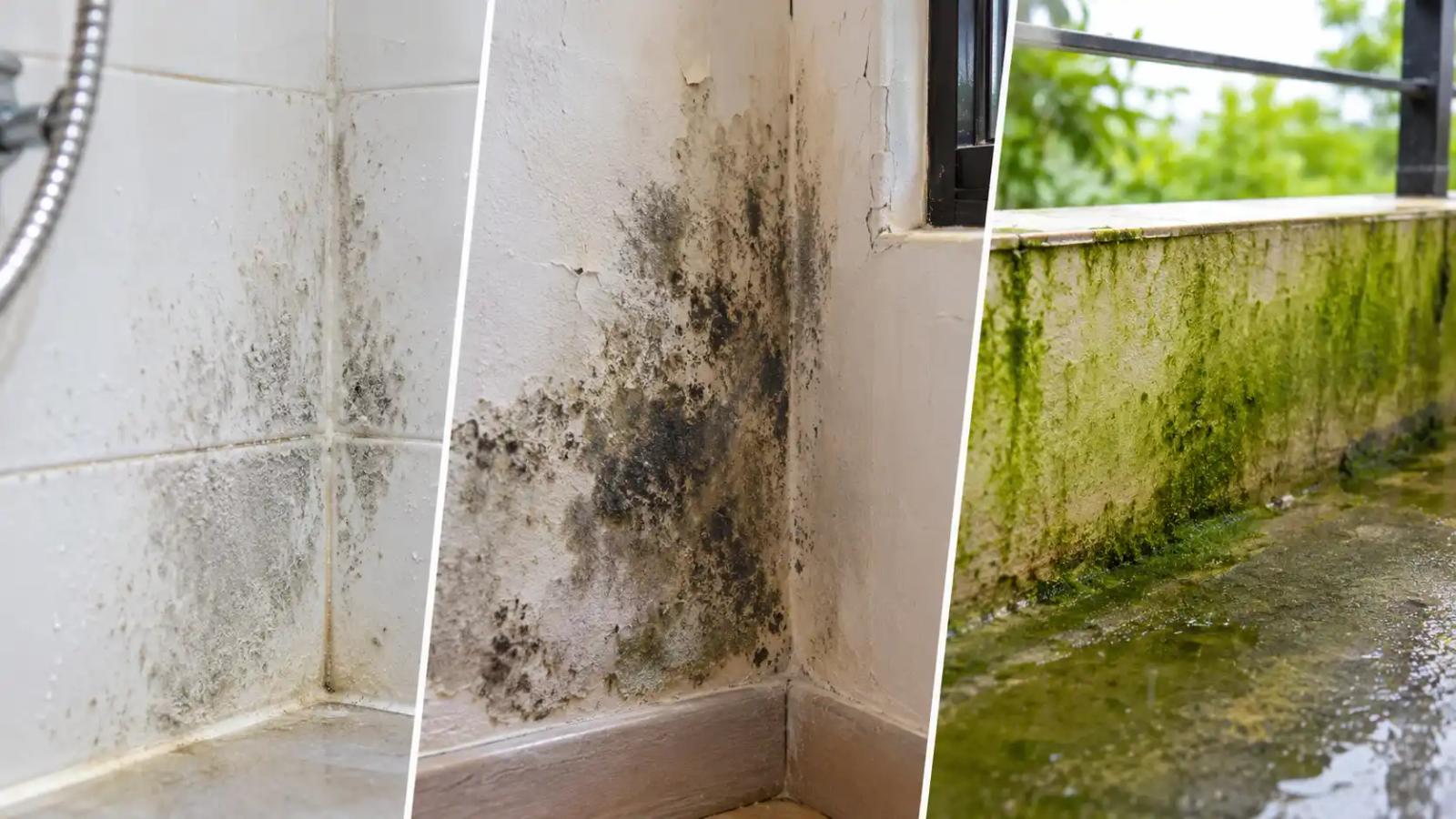
Mould vs Mildew vs Algae: How to Tell Them Apart in Humid Homes
At a Glance
Mould vs mildew vs algae comes down to look, texture and location. Mildew is a flat, powdery white or grey growth that stays on the surface. Mould is darker, raised and fuzzy or slimy, and grows deeper into materials. Algae forms a green or dark slimy film, usually outdoors or on very damp surfaces that get light. All three need moisture, so controlling dampness matters more than any cleaner. This guide shows how to tell them apart and why they grow in Bangalore's humid homes.
A dark patch on a wall, a green film on a balcony and a white bloom in a bathroom corner often get lumped together as mould. They are not the same, and telling them apart helps explain why they appeared and how seriously to take them. All of them grow when moisture lingers, which is why Bangalore's rains bring them out. For the wider home, see this monsoon deep cleaning checklist.
What Is the Difference Between Mould, Mildew and Algae?
Mildew is a flat surface fungus, mould is a deeper, raised fungus, and algae is a plant-like organism that forms a slimy film on damp surfaces and needs light to grow.
Mildew is generally treated as a specific type of mould that grows flat, while mould covers many species that can grow in colour and thickness. Algae is a different kind of organism altogether, closer to plants than fungi. The table below compares them.
| Feature | Mildew | Mould | Algae |
|---|---|---|---|
| Colour | White, grey or yellow, sometimes darkening | Black, green, blue or red | Green, sometimes dark green or black |
| Texture | Flat, dry, powdery or downy | Raised, fuzzy or slimy | Slimy film that is slick when wet |
| Depth | Stays on the surface | Can grow into porous materials | Sits on the surface |
| Where it grows | Bathrooms, window sills, damp walls | Damp, dark, water-damaged areas | Balconies, outer walls, shaded wet floors |
| Needs light? | No | No | Yes |
| Smell | Musty, like damp clothes | Stronger, earthy and musty | Usually less noticeable than mould |
Pro Tip: Ask where the growth is. Dark, enclosed and indoors points to mildew or mould. Outdoors or in a well-lit wet spot points to algae.
How to Identify Mildew
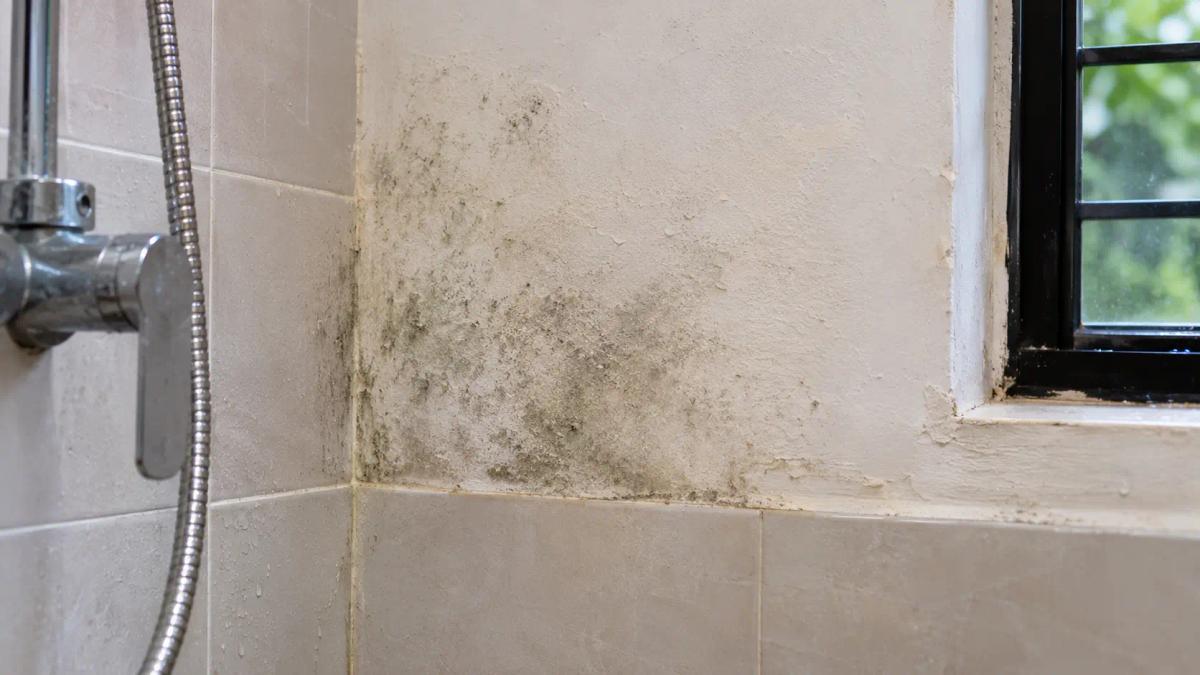
Mildew is identified by a flat, dry, powdery or downy look in white, grey or yellow, usually on bathroom walls, window sills and other damp surfaces, where it sits on top instead of growing in.
It often darkens as it ages and carries a musty smell like damp clothes. Mildew is generally easier to remove because it stays on the surface, but it signals that moisture is not clearing. It appears most on smooth, flat surfaces such as painted walls, tiles and shower curtains.
How to Identify Mould
Mould is identified by a raised, fuzzy or slimy look in darker colours such as black, green, blue or red, and by a stronger earthy smell, because it grows deeper into materials.
Where Does Mould Usually Grow in Homes?
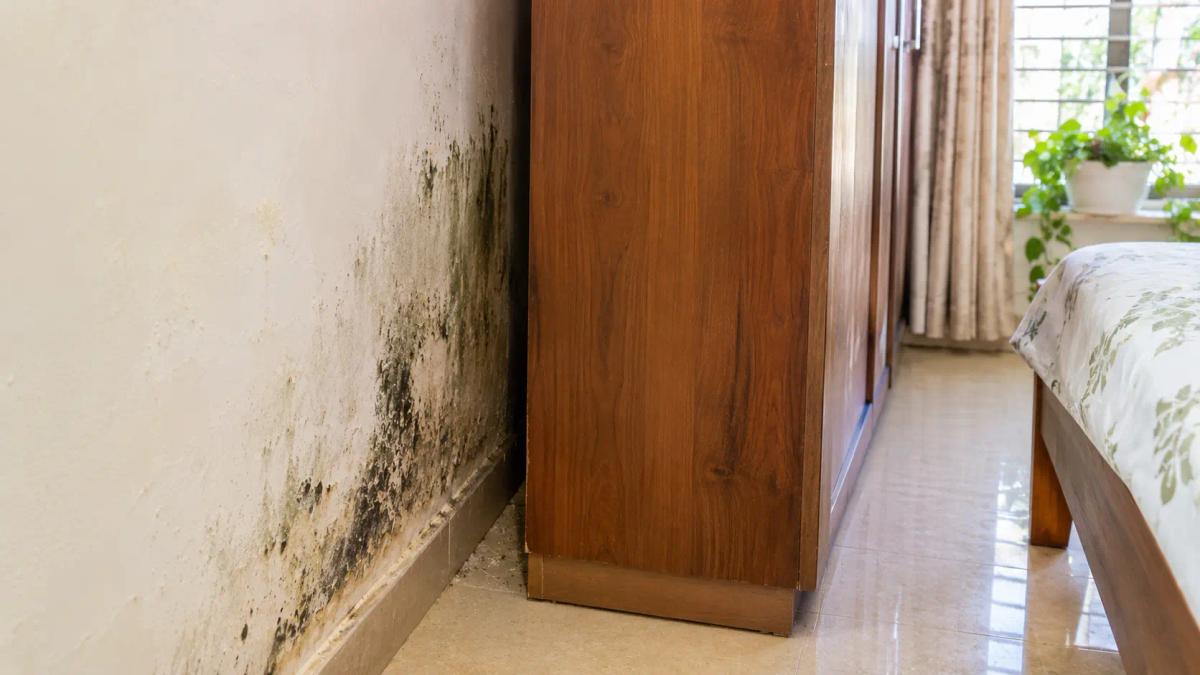
Mould usually grows in damp, dark and poorly ventilated spots such as behind furniture, around leaks, inside cupboards and in bathrooms after a leak or poor ventilation. It feeds on organic material, including wood, paper, fabric and the dust on painted walls. Persistent or widespread patches are covered in why black mould grows in a renovated bathroom.
Can Mould Grow on Painted Walls and Fabrics?
Mould can grow on painted walls, fabrics, leather and wood whenever moisture lingers, since it feeds on dust and organic material on their surfaces. Sofas and mattresses that stay damp can develop it too, which is why a musty smell in humid weather deserves attention.
How to Identify Algae
Algae is identified by a green, slimy film on wet surfaces that get light, such as balcony floors, outer walls, steps and terraces, often feeling slick underfoot.
Algae needs moisture and light, so it thrives on shaded, damp outdoor surfaces during the rains. It often appears as a slick green coating, and sometimes dark green or black patches. The causes and fixes for balconies are covered in why balconies develop green slime.
Why Do Mould, Mildew and Algae Grow in Humid Homes?
Mould, mildew and algae grow in humid homes because all three need moisture, and surfaces that stay damp for days give them the conditions to settle and spread.
- Humid air that keeps walls, fabrics and floors damp
- Poor ventilation in bathrooms, kitchens and cupboards
- Leaks, seepage or damp walls that keep surfaces wet
- Shade and little sunlight, especially for algae
- Dust, soil and organic dirt that they feed on
- Slow-drying fabrics, foam and unsealed surfaces
Cleaning removes the growth but not its cause, so moisture control is what stops it returning.
How to Handle Each One Safely
Each growth is handled by fixing the moisture first, then cleaning the surface gently with a method that suits the material, and never mixing cleaning products.
How to Deal With Mildew and Light Mould
Light mildew and small areas of mould on hard surfaces can be wiped with a mild detergent and water, then dried completely, ideally with a mask on. Porous materials such as fabrics, foam and plaster are harder to clear. Extensive, repeated or hidden growth, or any growth with a strong musty smell and damp walls, needs the moisture source found and fixed.
How to Deal With Algae
Algae is dealt with by sweeping, scrubbing with a mild cleaner and a stiff brush, rinsing well and letting the surface dry, while taking care on slippery floors. It returns unless drainage, shade and debris are addressed.
Why Does Fixing the Cause Matter?
Fixing the cause matters because any of the three returns within days if the surface stays damp. A wall that keeps growing patches usually has a leak or damp problem, as covered in how to stop wall dampness. Clean Fanatics offers home deep cleaning, and cleaning only works lastingly once the moisture is under control.
How to Prevent Mould, Mildew and Algae in the Rains
Growth is kept away by reducing moisture, increasing airflow and cleaning before it takes hold.
How to Keep Growth Away in 6 Steps
Six habits keep all three at bay through the monsoon.
- Ventilate every day. Open windows between showers and use exhaust fans in bathrooms and kitchens.
- Fix leaks early. Even slow seepage keeps walls damp.
- Dry wet surfaces. Wipe bathroom walls, windows and floors after use.
- Keep furniture off damp walls. A gap lets air circulate.
- Clear drains and debris. Standing water and leaves feed algae on balconies.
- Clean before the rains. Remove dust and dirt that growth feeds on.
How to Tell Which One It Is and What to Do Next
Look at the colour, texture and location, then act on the cause: flat and powdery points to mildew, raised and fuzzy to mould, and a slick green film outdoors to algae. When the growth is large, keeps returning or sits behind walls, the moisture source needs finding before any cleaning. Simple observation, drying and ventilation solve most small cases.
Want a home cleaned before the rains bring growth back?
Frequently asked questions
What is the difference between mould and mildew?
Mildew is flat, dry and powdery in white, grey or yellow, and stays on the surface. Mould is raised, fuzzy or slimy in darker colours and can grow deeper into materials.
Is algae the same as mould?
Algae is not the same as mould, because mould is a fungus and algae is a plant-like organism that needs light. Algae forms a green slimy film outdoors or in well-lit wet spots, while mould grows in dark, damp places.
Why does green slime grow on balconies and walls?
Algae grows on damp surfaces that get light and little drying, such as shaded balcony floors and outer walls. Rain, humid air and blocked drains keep them wet.
Why do black spots appear on bathroom walls?
Black spots on bathroom walls are usually mould or mildew growing where moisture lingers and ventilation is poor. Fixing ventilation and any leak stops them returning.
Can mould grow on painted walls?
Mould can grow on painted walls when moisture lingers, because it feeds on dust and organic dirt on the surface. A persistent patch suggests damp or a leak behind the wall.
How can mould, mildew and algae be prevented?
Reduce moisture, ventilate daily, fix leaks and dry wet surfaces after use. Clean drains and surfaces before the rains so growth has nothing to feed on.