
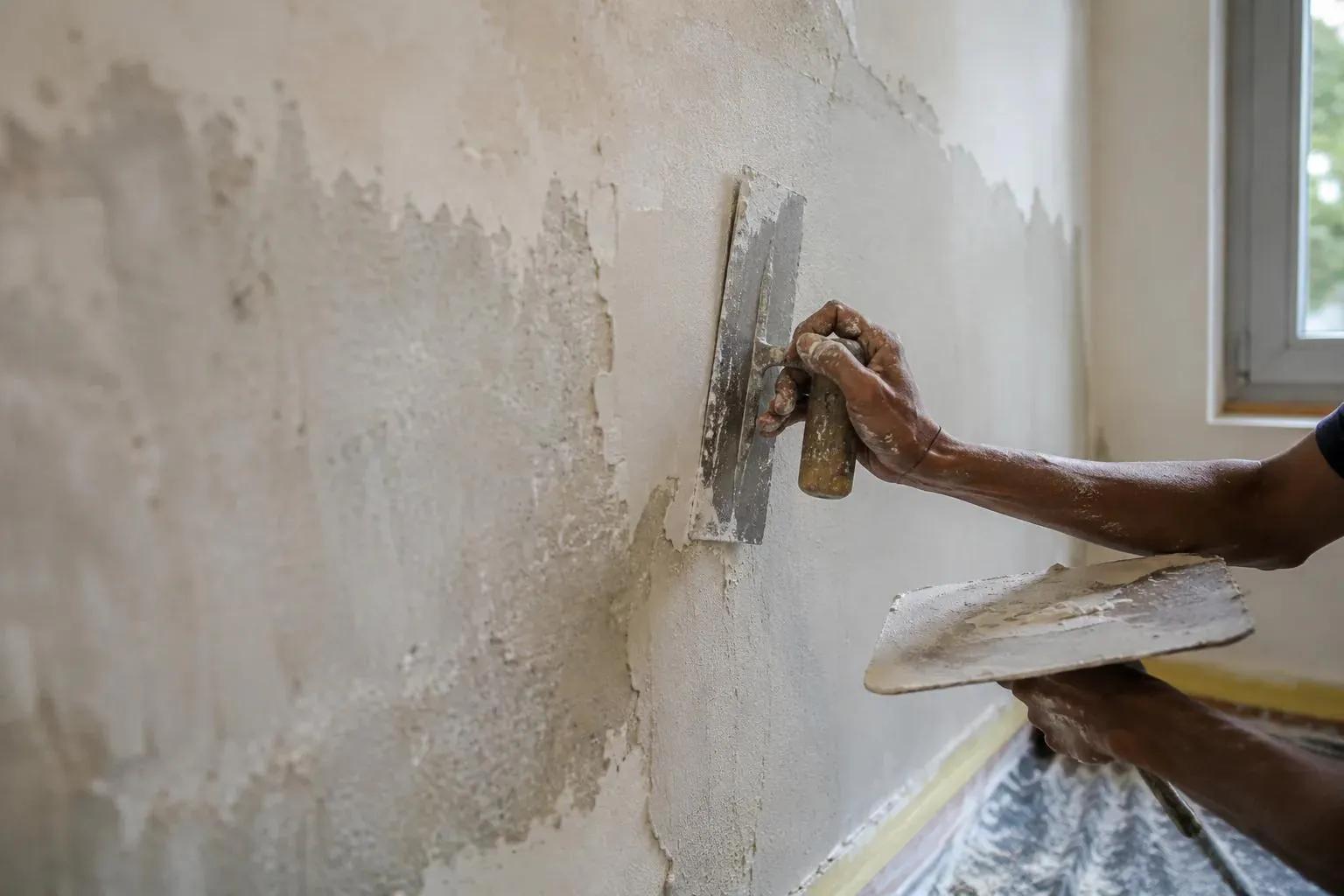
Why Replastering Is Sometimes Better Than Repainting
A fresh coat of paint can make a room feel brand new, but paint has its limits. If the plaster underneath is cracked, loose, uneven, or damaged by moisture, repainting may only hide the problem temporarily.
That is why the better question is not always, “What colour should I paint the wall?” It can be, “Does this wall need to be repaired before I paint it?” Plastering creates and restores the surface underneath the paint, while painting provides the final finish.
When Is Repainting Enough?
Not every tired-looking wall needs replastering. If the plaster is firm, reasonably smooth, and free from significant damage, repainting may be all you need.
Minor scuffs, faded colour, small nail holes, and light surface imperfections can often be handled with cleaning, filling, sanding, priming, and repainting. In these situations, full replastering would add unnecessary time and expense.
The important thing is to look beyond the paint. If the surface underneath is sound, a fresh coat can give the wall a clean new appearance without major repair work.
Signs Your Walls May Need Replastering
So, how do you know if your wall needs replastering? Look for problems that go deeper than the paint itself.
Some warning signs include:
- Large or recurring cracks
- Loose, crumbling, or powdery plaster
- Bulging or hollow areas
- Large sections where plaster has come away
- Severely uneven surfaces
- Extensive damage from moisture or leaks
- Previous repairs that have left obvious ridges or patches
Repainting over these problems does not necessarily fix them. Cracks and damaged plaster can continue to affect the paint finish, while water-damaged plaster should not simply be covered up before the source of the moisture is addressed.
Why Replastering Can Be Better Than Repainting
Replastering is more than giving a wall a new look. It addresses the condition of the surface itself.
When plaster has deteriorated significantly, removing the damaged material and applying fresh plaster can create a more stable, even surface for the finishing work that follows. It can also help eliminate obvious bumps, hollows, and inconsistent textures that paint alone cannot correct.
This matters because paint can highlight surface imperfections rather than hide them. Uneven areas, old repairs, and cracks can become particularly noticeable once fresh paint catches the light.
In other words, repainting changes the finish, while replastering can change the surface underneath it.
That does not mean replastering is automatically more durable or cost-effective in every situation. If the plaster is still in good condition, repainting with proper preparation may be the smarter choice.
Don’t Replaster Until You Find the Cause
Before deciding to replaster, find out why the wall is damaged.
If moisture from a leaking pipe, roof, bathroom, balcony, or other source is causing plaster to deteriorate, replacing the plaster without fixing the underlying problem is unlikely to provide a lasting solution. Water-damaged plaster can contribute to peeling, bubbling, and other paint failures when the moisture issue remains unresolved.
The same applies to recurring cracks. A small, superficial crack may only require repair and repainting, while persistent or larger cracks can warrant a more detailed assessment.
Depending on the condition, the right solution might be filling, patching, sanding, skim coating, or full replastering. A professional assessment can help determine which level of repair is actually necessary instead of replacing plaster that could have been repaired.
Final Word: Fix the Surface Before You Refresh It
Repainting is a great way to refresh a healthy wall. But if the plaster underneath is damaged, repeatedly repainting can become a cycle of covering symptoms rather than addressing the surface.
A simple rule can help:
Sound plaster + tired paint = repaint.
Damaged plaster + recurring surface problems = investigate repair or replastering.
The goal is not to choose the more expensive option. It is to choose the repair that matches the condition of the wall. Once the underlying surface is sound, the paint has a much better foundation for a smooth, even finish.
FAQs
If the plaster is sound and the problem is mainly cosmetic, repainting may be enough. Significant cracking, crumbling, loose areas, or extensive surface damage may require plaster repair or replastering.
Small, stable cracks may be repaired before painting. If cracks are large, recurring, or accompanied by other damage, the wall should be assessed before repainting.
Look for loose or crumbling plaster, large cracks, hollow or bulging areas, extensive unevenness, or significant water damage. A professional can determine whether patching, skimming, or replastering is appropriate.
No. Paint can refresh the finish, but it cannot correct severely damaged or unstable plaster underneath.
First identify and fix the source of moisture. Once the wall is properly dry and the damage has been assessed, the appropriate plaster repair can be determined.