
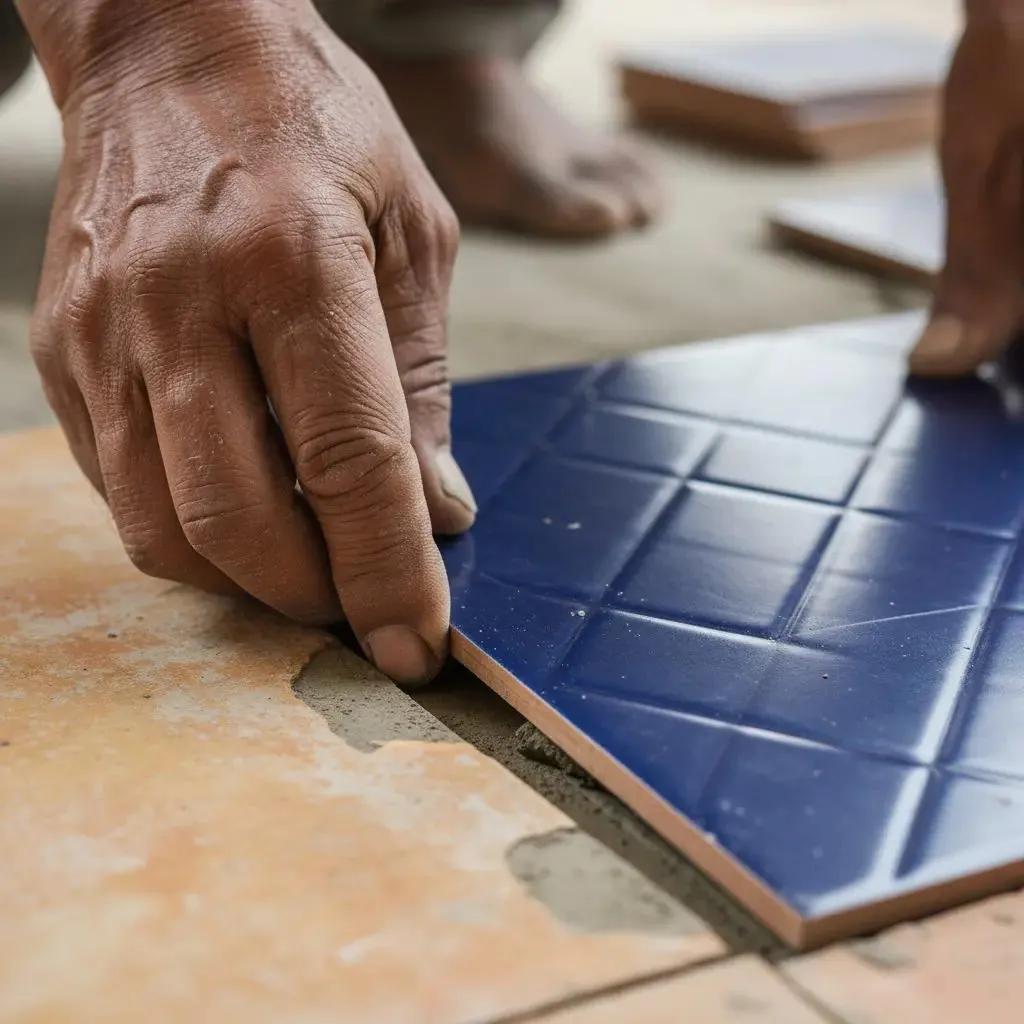
Is Laying New Tiles Over Old Tiles Worth It? Pros, Cons, and Essential Advice
If your floor has lost its charm but the thought of tearing up tiles sounds like a nightmare- you’re not alone. Homeowners and renovators alike often ask, “Can I just lay new tiles over the old ones?”
The idea sounds tempting: no dust, no demolition, and a faster makeover. But before you pick up that tile sample catalog, it’s worth knowing whether tiling over tiles is truly a good idea and when it’s not.
Here’s everything you need to know before you decide if laying new tiles over old ones is worth it.
Can You Really Tile Over Existing Tiles?
Yes, you can lay new tiles over existing ones, but only if the base is strong, even, and well-bonded. The old tile surface acts like a foundation, which can save you the hassle of breaking and removing them entirely.
Before starting, inspect the existing tiles carefully:
- Tap on different spots – if you hear a hollow sound, that means the tile isn’t bonded properly.
- Check for cracks or uneven edges – those imperfections will show through the new layer.
- Make sure there’s no water damage or mold, especially in bathrooms and kitchens.
If everything checks out, tiling over tiles can be a smart move. However, the key lies in preparation – cleaning, leveling, and choosing the right adhesive.
Pro Tip: Use a polymer-modified tile adhesive or bonding agent that’s specifically designed for overlay installations. It ensures the new tiles stick firmly and last longer.
For professional help with cleaning and preparing your floors, check out our Full House Cleaning Services to ensure a spotless base for your tile installation.
The Pros: Why It’s Worth Considering
Tiling over existing tiles isn’t just a shortcut – when done right, it’s a practical and efficient way to revamp your space without the chaos.
Here’s why many homeowners and interior professionals swear by it:
- Less mess, less noise: Forget jackhammers and debris. You skip demolition entirely, keeping your space livable during renovation.
- Faster transformation: Traditional tile removal and reinstallation can take days; this method cuts that time almost in half.
- Budget-friendly: No tile disposal or extra labor costs. You only invest in new tiles and adhesive.
- Eco-conscious choice: By keeping the old tiles intact, you reduce waste and environmental impact.
- Ideal for minor makeovers: If your current floor is structurally sound but outdated in design, this is the perfect fix.
Imagine giving your bathroom or living room a fresh, modern look- without the rubble, noise, or downtime. That’s what makes this option so appealing.
Pair your new tiles with our expert Bathroom Renovation Services for a complete and modern bathroom makeover.
The Cons: What You Should Watch Out For
Of course, tiling over tiles isn’t a one-size-fits-all solution. There are certain conditions where it can cause more problems than it solves.
Here’s what you need to consider before committing:
- Increased height: Each new layer adds about 10-15mm. That might sound small, but it can affect door openings, skirting alignment, and even appliances in the kitchen.
- Weak base = weak results: If your old tiles are cracked or hollow, the new ones will loosen or break sooner than expected.
- Moisture issues: Trapped moisture between tile layers can lead to mold or water damage – especially in wet areas like bathrooms.
- Weight stress: Extra tile layers add load to the floor or wall, which can cause problems in older or upper-floor buildings.
- Surface bonding challenges: Smooth, glossy tiles don’t grip well. Skipping surface roughening can cause adhesion failure later. Our Wall Crack Filling Services can help repair uneven surfaces before laying new tiles, ensuring a strong and lasting bond.
In short, if the base isn’t perfect, the top layer won’t be either. Always evaluate the condition of your old tiles or let a professional inspect them before starting.
Essential Tips for a Lasting Installation
If you’ve decided to go ahead with a tile-over-tile project, following the right preparation steps will make all the difference between a quick fix and a long-lasting renovation.
Here’s how to do it right:
- Inspect and Repair: Fix loose, broken, or hollow tiles before beginning. A stable foundation is non-negotiable. For expert care with delicate surfaces, explore our Home Renovation Services, including tile and stone replacement for durable results.
- Clean Thoroughly: Degrease and remove all dust, soap, and grime using a mild cleaner. The adhesive won’t bond to dirt.
- Roughen the Surface: Lightly sand or use a mechanical grinder to make the old tiles less glossy for better adhesion.
- Apply a Bonding Agent: Use a primer or bonding slurry to improve grip between old and new layers.
- Choose High-Quality Adhesive: A polymer-modified adhesive or thin-set mortar is best for strong, flexible bonding.
- Plan Your Layout: Start tiling from the center to ensure symmetry and fewer cuts near walls or corners.
- Grout and Seal: Once cured, apply grout evenly and seal the lines to prevent moisture seepage. Consider our Waterproofing Services to protect your tiled areas from moisture and ensure long-lasting durability.
Pro Insight: Most professional installers recommend waiting at least 48 hours before using the newly tiled area, this ensures the adhesive and grout set perfectly.
Final Word: Should You Tile Over Tiles?
So, is it worth it? Absolutely- if done under the right conditions.
If your existing tiles are solid, flat, and dry, laying new tiles on top can save you both time and money. But if they’re cracked, uneven, or holding moisture, removing them first is the smarter, long-term choice.
In short:
✅ Go for it – if your old tiles are stable and you’re using the right adhesive.
🚫 Avoid it – if the old surface is damaged, damp, or uneven.
At Clean Fanatics, we make sure your tile makeover isn’t just quick – it’s done right. From inspecting the old surface to ensuring perfect adhesion and a flawless finish, our experts handle it all so your floors look fresh and last long.
Because when it comes to tiles, it’s not just about layering – it’s about lasting.
FAQs
Yes, because you skip demolition and debris costs. However, you’ll still need strong adhesive and careful preparation for durability.
Yes – but ensure proper waterproofing underneath to prevent trapped moisture or mold growth.
Around 10–15mm depending on tile thickness. Plan ahead for doors and thresholds.
With proper surface roughening and adhesive, absolutely. Skip that step, and you risk loose tiles later.
If you want lasting results, yes. Professionals know how to test, prep, and apply tiles for flawless adhesion and finish.