
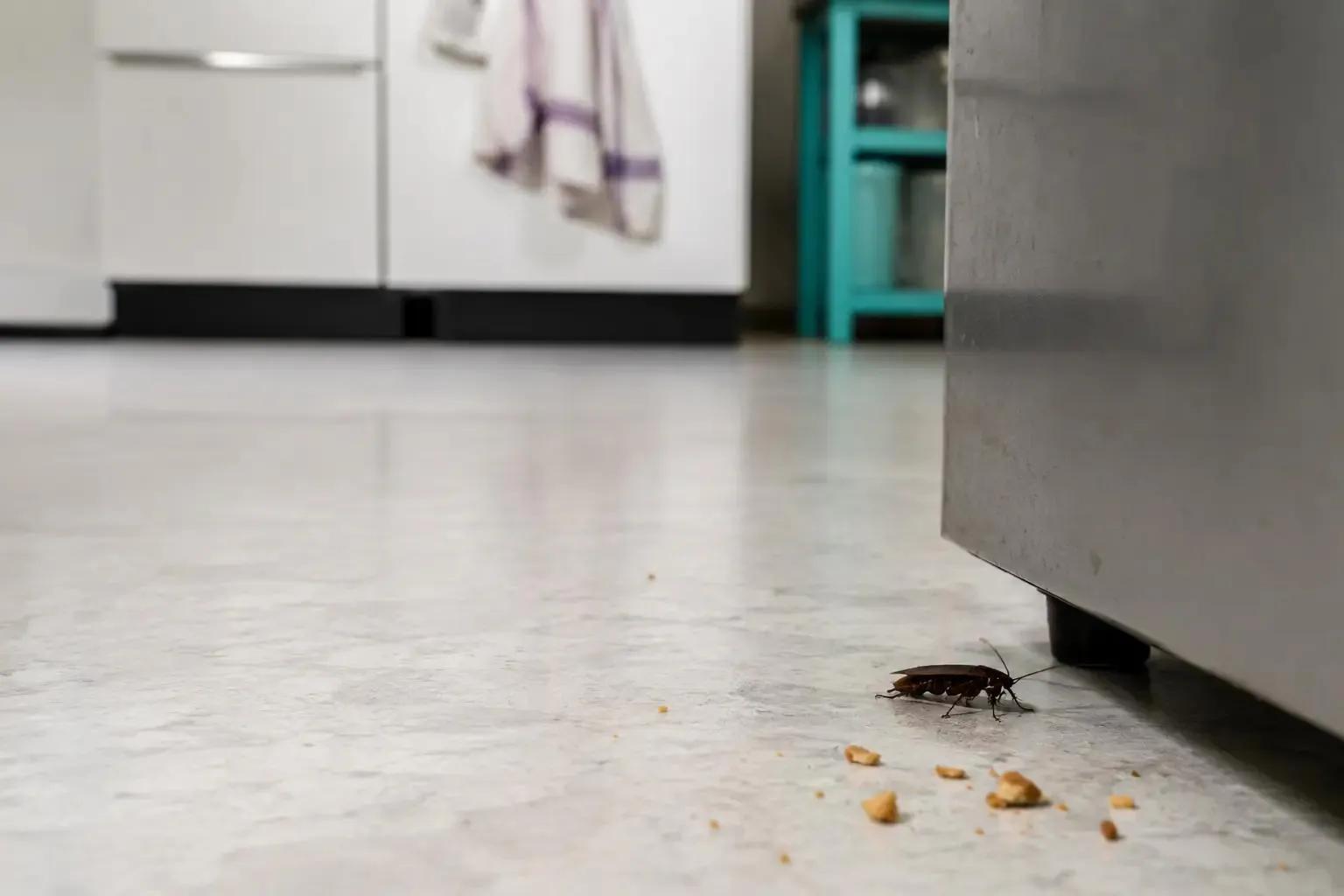
Why Do Pests Appear in Clean Homes?
You’ve just finished cleaning your home. The floors are spotless, the kitchen is sparkling, and everything is in its place. Then, out of nowhere, you spot a cockroach in the bathroom or a trail of ants in the kitchen.
It’s frustrating, but it also raises a common question: Why do pests appear in clean homes?
The truth is, pests aren’t only attracted to dirty spaces. Even the cleanest homes can experience pest problems because insects and rodents are looking for three basic things – food, water, and shelter. Understanding what attracts them is the first step to keeping them away.
Why Do Pests Appear in Clean Homes?
A clean home certainly reduces the chances of a pest infestation, but it doesn’t eliminate the risk completely. Here are some of the most common reasons pests still find their way indoors.
- Moisture and water sources: Leaky pipes, damp bathrooms, kitchen sinks, and standing water create the ideal environment for cockroaches, silverfish, and other pests.
- Tiny food particles: Even if your kitchen looks clean, crumbs under appliances, grease behind the stove, or pet food left out overnight can attract pests.
- Easy entry points: Small cracks around doors, windows, utility pipes, and drains are enough for insects and rodents to enter your home.
- Seasonal changes: During the monsoon or extreme heat, pests often move indoors in search of shelter and a stable environment.
- Clutter and hidden spaces: Storage rooms, cardboard boxes, false ceilings, and furniture placed against walls provide excellent hiding spots.
- Neighbouring infestations: Sometimes the source isn’t your home at all. Pests can travel from nearby apartments, gardens, or common building areas.
So, if you’ve been wondering, “Can a clean house still get pests?” the answer is yes. Cleanliness helps, but it isn’t the only factor.
Signs That Pests May Already Be in Your Home
Many homeowners notice pests only after the infestation has grown. Spotting the early warning signs can help you act before the problem becomes more serious.
Keep an eye out for:
- Droppings or tiny black specks around cupboards and corners.
- Chewed food packaging or damaged paper and cardboard.
- Unusual smells, especially in kitchens, bathrooms, or storage areas.
- Scratching or rustling sounds behind walls or ceilings.
- Dead insects appearing regularly near windows or lights.
- Small mud tubes, damaged wood, or hollow-sounding furniture, which may indicate termites.
If you’re seeing these signs repeatedly, the pests are likely finding food, water, or shelter somewhere inside your home.
How to Prevent Pests from Entering Your Home
Preventing pests is usually easier than dealing with an infestation later. A few simple habits can make a big difference.
- Clean up food spills and crumbs as soon as possible.
- Store grains, snacks, and pet food in airtight containers.
- Fix leaking taps and pipes to reduce excess moisture.
- Keep kitchen sinks, bathroom drains, and utility areas clean and dry.
- Seal cracks around doors, windows, and plumbing lines.
- Dispose of garbage regularly and keep bins covered.
- Reduce clutter in storage areas and avoid stacking cardboard boxes for long periods.
- Schedule regular deep cleaning to remove hidden dust, grease, and food residue from areas that everyday cleaning often misses.
These steps help make your home less inviting to pests while improving overall hygiene.
When Cleaning Isn’t Enough
Regular cleaning removes many of the things that attract pests, but it can’t always solve the problem once pests have settled in.
For example, deep cleaning can remove grease behind kitchen appliances, food residue in hard-to-reach corners, dust beneath furniture, and moisture buildup in bathrooms. This reduces the conditions that attract pests.
However, if pests are nesting inside walls, furniture, false ceilings, or hidden gaps, professional pest control is often needed to eliminate the infestation.
The best approach is to combine both. Deep cleaning removes what attracts pests, while pest control targets the pests themselves. Together, they help create a cleaner, healthier, and more pest-resistant home.
Final Word
Seeing pests doesn’t necessarily mean your home is dirty. Moisture, hidden food sources, seasonal changes, entry points, and nearby infestations can all attract pests, even in well-maintained homes. By addressing these causes early, maintaining a regular deep cleaning routine, and seeking professional pest control when needed, you can significantly reduce the chances of pests returning.
FAQs
Can a clean house still get pests?
Yes. Even clean homes can attract pests if they provide moisture, shelter, or hidden food sources.
Why do cockroaches appear in a clean kitchen?
Cockroaches are often attracted to water, grease behind appliances, drain areas, and tiny food particles that may not be visible during everyday cleaning.
Does deep cleaning prevent pest infestations?
Deep cleaning helps reduce the conditions that attract pests by removing hidden dirt, grease, dust, and food residue. While it lowers the risk, existing infestations may still require professional pest control.
What attracts pests to a clean home?
Moisture, easy entry points, clutter, uncovered food, pet food, seasonal weather, and neighbouring infestations are some of the most common reasons.
How often should I schedule pest control for my home?
It depends on your location, the type of pest, and previous infestations. Many homeowners schedule preventive pest control every few months, especially before or during the monsoon season.