
How to Maintain an Older Home Without Renovating Everything
An older home does not automatically need a complete renovation. Sometimes, it simply needs the right problems fixed at the right time.
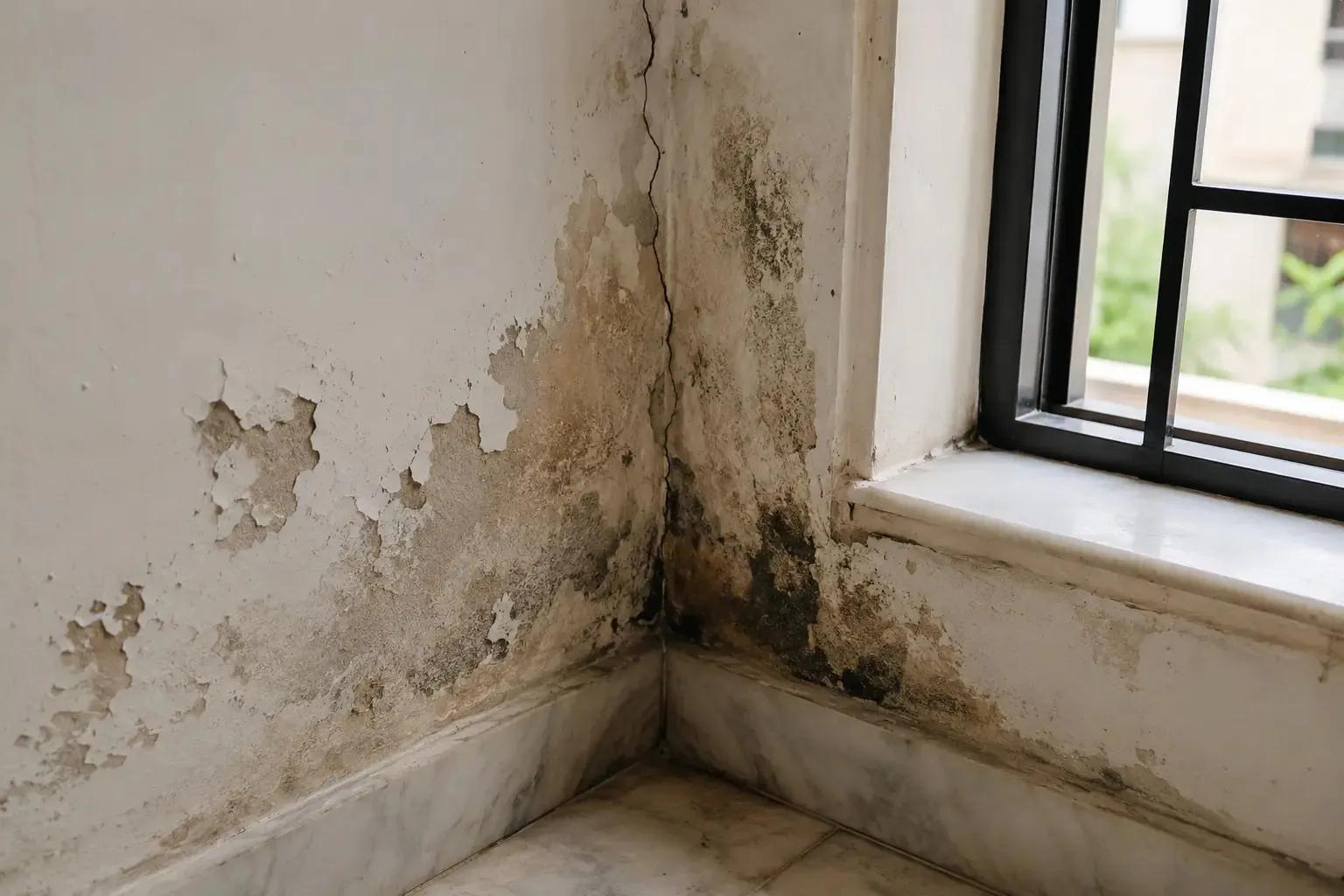
Over the years, walls may develop cracks, paint may start peeling, marble can lose its shine and grout may deteriorate. Dampness and pests may also become recurring concerns. But these problems do not always mean that everything needs to be removed and rebuilt.
With regular inspections and timely repairs, you can often keep an older home in good condition without renovating the entire property.
1. Start with an Inspection, Not a Renovation
Before deciding that your home needs a major makeover, inspect it properly.
Look for:
- Damp patches and water stains
- Cracks in walls or ceilings
- Peeling, bubbling or faded paint
- Damaged plaster
- Mould or musty smells
- Cracked or discoloured grout
- Dull, scratched or stained flooring
- Signs of pests or termites
The purpose of an inspection is not to find reasons to repair everything. It is to understand what actually needs attention.
It can also help you prioritise. A damp wall or active water seepage may need attention before a faded wall. A pest infestation may be more urgent than a dull floor.
A useful old house maintenance checklist should always begin with:
Inspect → Identify → Prioritise.
2. Fix Moisture and Wall Problems Before They Spread
Dampness is one of the problems that should not be ignored in an older home.
Water seepage, leaks, condensation and moisture can cause staining, mould, peeling paint and damage to plaster. If the underlying cause is not addressed, simply painting over the affected wall may only provide a temporary improvement.
Depending on the cause and extent of the problem, the solution may involve waterproofing, repairing the source of the seepage, replastering damaged areas and then repainting the surface.
The same applies to cracks. Not every crack indicates a serious structural problem, but cracks that are widening, recurring or accompanied by dampness should be assessed rather than simply covered up.
The key is to repair the cause where possible, not just improve the appearance of the symptom.
3. Restore Old Surfaces Instead of Replacing Everything
One of the biggest advantages of proper maintenance is that not every ageing surface needs to be replaced.
For example:
- Dull marble may be restored through professional polishing
- Damaged grout may be removed and replaced
- Stained surfaces may improve with deep cleaning
- Faded walls may be refreshed with a new coat of paint
- Damaged plaster may be repaired instead of replacing the entire wall
This is particularly useful if you want to make an old house look better without renovating.
However, the right solution depends on the condition of the surface. A professional assessment can help determine whether a surface needs cleaning, repair, restoration or replacement.
For instance, a stained marble floor may only need polishing. A severely damaged surface, however, may require more extensive work.
The aim is not to make every part of the home brand new. It is to extend the useful life of what is already there.
4. Keep an Eye on Pests and Small Problems
Older homes can also develop problems that are easy to overlook.
Pests may enter through gaps, cracks or damaged areas. Moisture can create conditions that attract certain insects. A small plumbing leak may continue unnoticed. A blackened grout line may indicate more than just a cosmetic issue.
Pay attention to:
- Recurring pest activity
- Termite signs
- Musty or unusual odours
- Damp corners
- Small leaks
- Cracks that keep returning
- Blackened or deteriorating grout
Regular cleaning and timely pest control can help prevent minor problems from becoming more difficult to manage.
The same principle applies to repairs. A small issue is usually easier to address before it affects surrounding surfaces.
Final Word
Maintaining an older home is not about pretending that it is new. It is about understanding what has aged, identifying what needs attention and making the most of what is still in good condition.
Inspect regularly, fix moisture-related problems early, restore surfaces where possible and do not ignore small signs of damage.
You may not need to renovate everything. Sometimes, your home simply needs the right maintenance at the right time.
FAQs
Yes. Many homes can be kept in good condition through regular inspections, repairs, cleaning, restoration and preventive maintenance. However, serious structural or safety issues may require more extensive work.
Prioritise problems that can cause further damage, such as water seepage, dampness, active leaks, pest infestations and significant wall deterioration. Cosmetic improvements can generally follow.
There is no single schedule for every property. A regular inspection can help identify problems early, while cleaning, pest control, painting and other maintenance should be carried out based on the home’s condition.
Deep cleaning, repainting, marble polishing, grout replacement and repairing damaged walls can significantly improve the appearance of a home without requiring a complete renovation.
Regular maintenance can help prevent small problems from becoming expensive repairs. However, the cost depends on the property’s age, condition and the extent of the work required.