
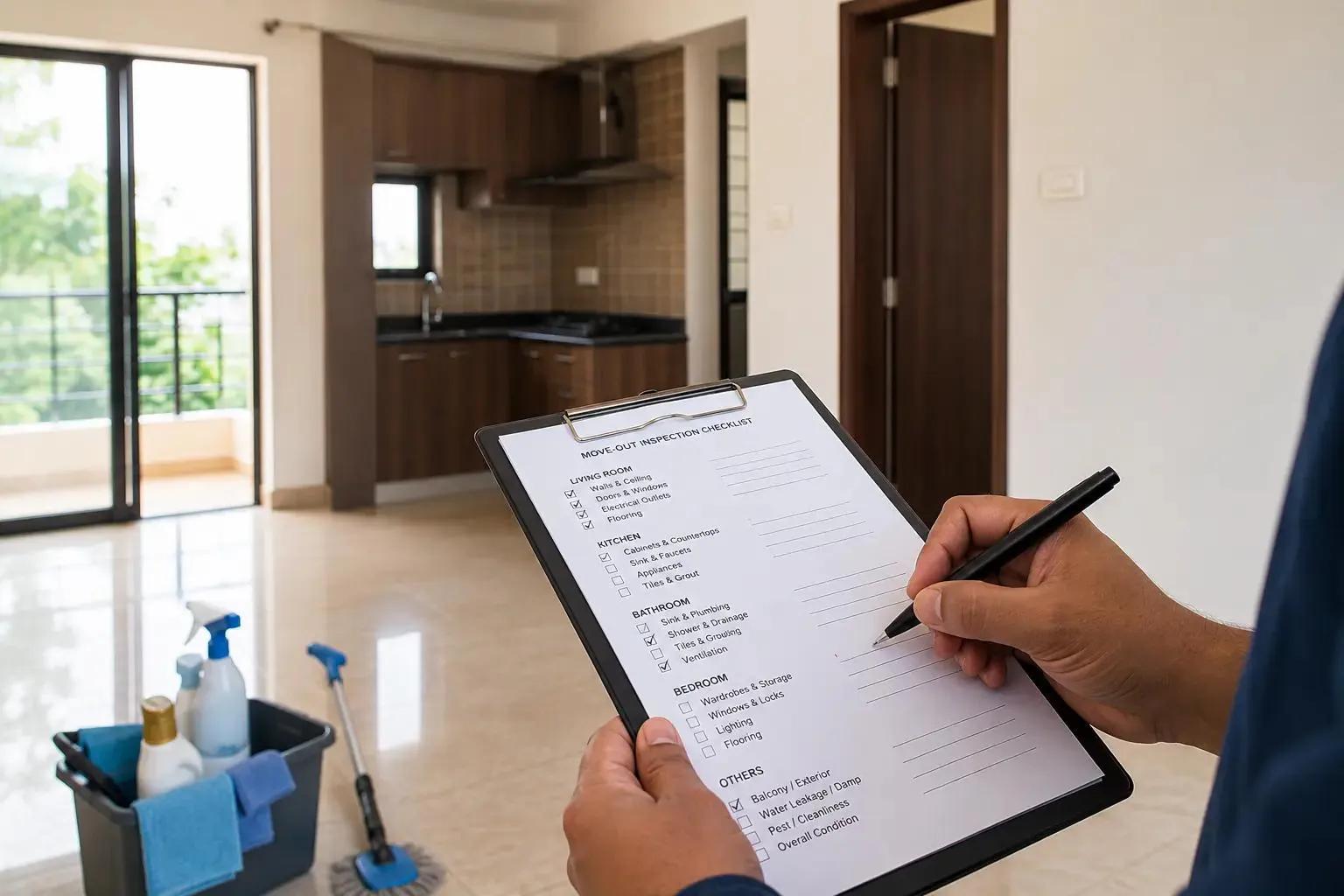
What to Inspect After a Tenant Moves Out: A Complete Landlord's Checklist
A tenant moving out marks the end of one tenancy and the beginning of another opportunity. Before listing your property again, it’s important to carry out a thorough inspection. It helps you identify damages, spot maintenance issues, and ensure the home is safe, clean, and ready for the next occupant.
Whether you’re a landlord managing one property or several, a move-out inspection can save you from costly repairs, disputes over security deposits, and unexpected problems later on. Here’s a practical checklist to help you inspect your rental property with confidence.
Why Should You Inspect a Rental Property After a Tenant Moves Out?
A move-out inspection isn’t just about checking if the property looks clean. It’s your chance to assess its overall condition and determine what needs attention before welcoming new tenants.
During the inspection, you can:
- Identify damage beyond normal wear and tear
- Check if plumbing, electrical fixtures, and appliances are working properly
- Look for hidden issues like damp patches, mould, or pest activity
- Document the property’s condition with photos and notes
- Plan repairs and maintenance before advertising the property again
A well-maintained property not only attracts quality tenants but also helps preserve its long-term value.
What Should Landlords Inspect After a Tenant Moves Out?
A systematic inspection ensures that no area is overlooked.
Exterior
Inspect the entrance, boundary walls, gates, balconies, drainage, outdoor lighting, and any visible cracks or signs of water seepage. Make sure locks and security features are functioning properly.
Living Areas
Check walls for stains, holes, peeling paint, or cracks. Inspect ceilings for damp patches, test light switches and electrical sockets, and look for scratches, broken tiles, or damaged flooring. Open and close doors and windows to ensure they operate smoothly.
Kitchen
Examine countertops, cabinets, sinks, taps, and plumbing for leaks or damage. Test appliances if they’re included with the rental. Pay attention to grease build-up, stained grout, broken tiles, and exhaust fans that may need servicing.
Bathrooms
Bathrooms deserve extra attention because of constant exposure to moisture. Look for leaking taps, clogged drains, loose fittings, cracked tiles, damaged grout, mould, poor ventilation, and signs of waterproofing failure. Even small leaks can become expensive repairs if ignored.
Bedrooms
Inspect wardrobes, flooring, windows, curtain rods, lighting fixtures, and electrical outlets. Ensure cupboards and storage spaces are clean and in good condition.
What Damages Should Landlords Look For?
One of the most common questions landlords ask is, “What counts as tenant damage?”
Normal wear and tear includes minor paint fading, small nail holes, or light scuff marks from everyday use. However, larger holes in walls, broken fixtures, damaged flooring, cracked tiles, missing fittings, or excessive stains often require repairs before the property is rented again.
It’s also worth checking for issues that may not be immediately visible, including:
- Damp patches or mould growth
- Plumbing leaks under sinks
- Water seepage around bathrooms and balconies
- Pest infestation
- Loose electrical fittings
- Broken locks or security concerns
Document everything with clear photographs and compare the property’s condition with the move-in inspection report. This creates a fair record if there are questions about repair costs or security deposit deductions.
What Should You Do Before New Tenants Move In?
Once you’ve completed the inspection, focus on preparing the property for its next occupants.
Complete all necessary repairs before listing the property. Deep clean the entire home, including kitchens, bathrooms, floors, windows, and hard-to-reach areas. If walls have stains or chipped paint, a fresh coat of paint can instantly improve the property’s appearance.
Depending on your inspection findings, you may also need services such as grout restoration, waterproofing, plumbing repairs, electrical maintenance, or pest control. Addressing these issues before new tenants move in creates a safer, more comfortable living space while reducing future maintenance requests.
Final Word
A thorough move-out inspection is one of the simplest ways to protect your investment. By checking every room carefully, documenting the property’s condition, and completing repairs before the next tenancy, you can reduce vacancies, avoid bigger maintenance expenses, and provide a home that’s clean, safe, and ready to move into.
FAQs
Inspect walls, flooring, ceilings, doors, windows, kitchens, bathrooms, plumbing, electrical fixtures, appliances, locks, and outdoor areas for damage, cleanliness, and safety.
Look for broken fixtures, damaged flooring, cracked tiles, plumbing leaks, mould, water seepage, damaged paint, pest activity, and electrical issues beyond normal wear and tear.
Walk through the property room by room, test all utilities and fixtures, take photographs, compare the condition with the move-in report, and complete any required repairs or cleaning before advertising the property.
It helps identify maintenance needs, supports fair security deposit decisions, prevents costly repairs later, and ensures the property is ready for the next tenant.