
Lighting's Role in Making Spaces Look Dirty or Clean: What Every Homeowner Should Know
Have you ever cleaned your home thoroughly, only to notice dust, streaks, or fingerprints the moment sunlight pours through the window? Or perhaps your living room looks spotless in the evening but every imperfection becomes obvious during the day. That’s because lighting doesn’t just brighten a space. It changes how we perceive cleanliness.
The type, direction, and colour of light can highlight dust, create shadows, or make surfaces appear brighter and fresher. Understanding how lighting affects your home’s appearance can help you choose better fixtures, clean more effectively, and create spaces that always feel inviting.
Why Lighting Changes the Way We See Cleanliness
Light interacts differently with every surface in your home. When natural or artificial light hits floors, countertops, walls, or furniture, it reflects off them and influences what our eyes notice.
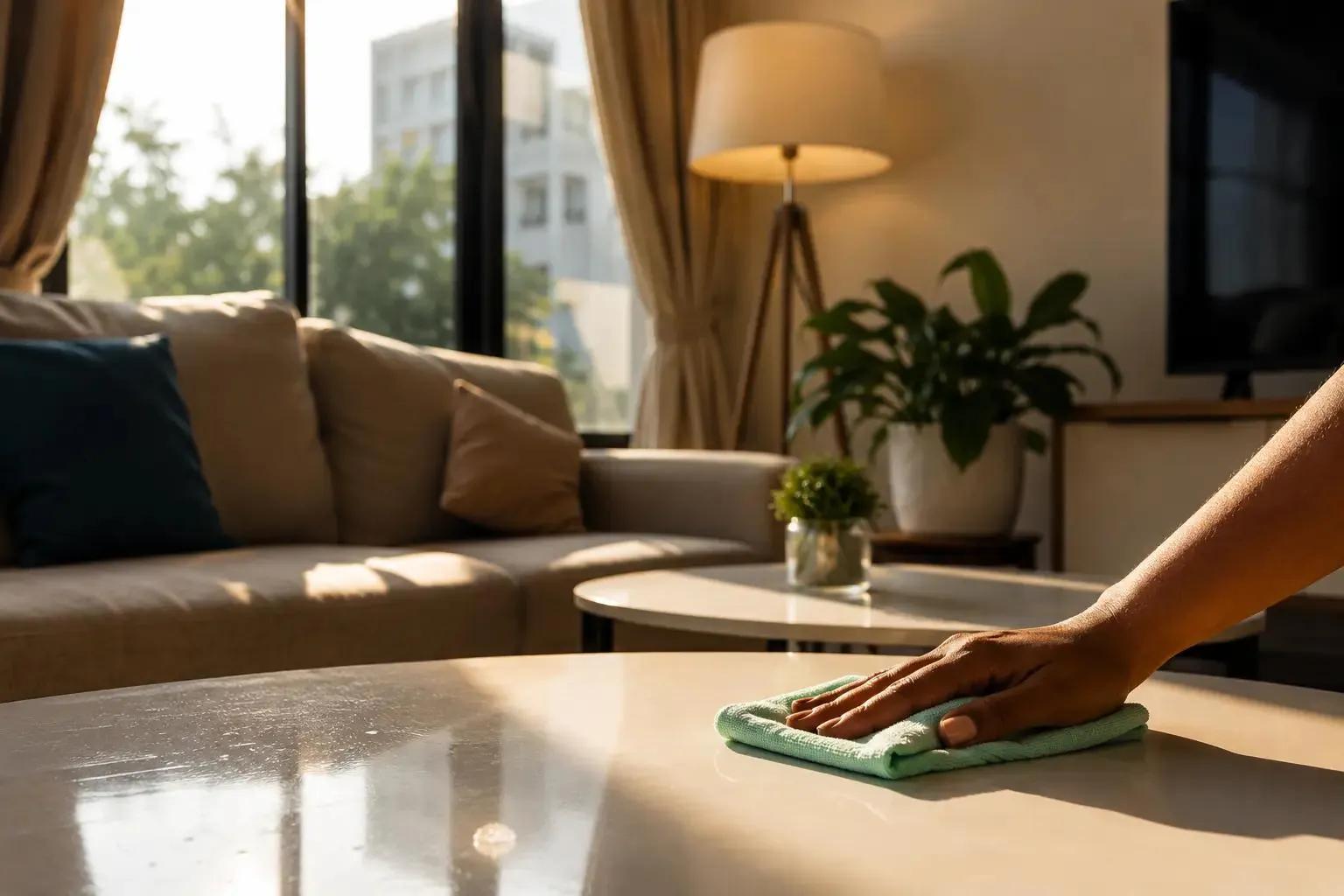
Natural daylight is especially revealing because it’s brighter and more balanced than most indoor lighting. That’s why dust floating in the air, fingerprints on glass, or streaks on glossy tiles often become much more noticeable during the day.
Artificial lighting can have a similar effect depending on its brightness and placement. A bright ceiling light may expose dust on shelves, while poorly positioned lighting can create shadows that make corners appear dirty even when they’re clean.
Surface finishes also matter. Glossy materials reflect more light, making smudges, water spots, and streaks easier to spot. Matte finishes scatter light, helping disguise minor imperfections while still collecting dust like any other surface.
How Different Types of Lighting Affect Your Home
Not all lighting creates the same visual effect. The colour temperature and placement of your lights play a major role in how clean a room appears.
Cool white lighting often makes rooms feel brighter and more modern. It also reveals dust, lint, streaks, and fingerprints more clearly because of its crisp, high-contrast appearance. This is why kitchens, bathrooms, and commercial spaces often use cooler lighting where visibility is important.
Warm white lighting creates a softer atmosphere that can make small imperfections less noticeable. While it won’t hide dirt completely, it reduces harsh reflections and creates a more relaxed look.
Layered lighting can also improve the overall appearance of a room. Combining ambient lighting with task and accent lighting reduces dark corners and creates even illumination, preventing shadows that may make a clean space feel neglected.
Here’s a quick comparison:
Lighting Type
Effect on Cleanliness
Natural daylight
Shows dust, streaks, and fingerprints most clearly
Cool white lighting
Highlights dirt and surface imperfections
Warm white lighting
Softens minor flaws and creates a cosy appearance
Layered lighting
Reduces shadows and creates a cleaner-looking space
Simple Ways to Make Your Home Look Cleaner With Lighting
You don’t always need a major renovation to make your home feel brighter and cleaner. Small lighting changes can have a noticeable impact.
Start by maximising natural light. Keep windows clean, use light curtains where possible, and avoid blocking sunlight with bulky furniture.
Choose bulbs with a colour temperature that suits each room. Cool white lighting works well in kitchens, bathrooms, laundry rooms, and workspaces where visibility matters. Warm white lighting is often better suited for living rooms and bedrooms where comfort is the priority.
Position lighting carefully to reduce harsh shadows. Wall-mounted fixtures, under-cabinet lights, and additional floor or table lamps can brighten darker areas that often appear dusty or neglected.
Regularly clean light fixtures, lampshades, and bulbs too. Dust collecting on these surfaces reduces brightness and affects how evenly light spreads throughout a room.
Finally, remember that lighting enhances cleanliness. It doesn’t replace it. Clean windows, streak-free mirrors, dust-free shelves, and polished floors will always look better under good lighting.
Common Lighting Mistakes That Make Rooms Look Dirtier
Many homeowners unintentionally make their spaces appear less clean because of poor lighting choices.
Using a single overhead light often leaves shadows in corners, making rooms feel darker and less inviting.
Choosing bulbs that are too dim can hide clutter during the day but leave spaces looking dull at night. On the other hand, extremely bright lighting may exaggerate dust, streaks, and fingerprints if surfaces aren’t cleaned regularly.
Ignoring reflective surfaces is another common mistake. Glossy tiles, polished stone, mirrors, and glass require frequent wiping because bright lighting quickly reveals smudges and water marks.
A balanced approach works best. Combine good lighting with a regular cleaning routine to create a home that genuinely looks as clean as it is.
Final Word
Lighting plays a bigger role in how clean your home looks than many people realise. Natural daylight, cool white lighting, and reflective surfaces can highlight dust and imperfections, while warm lighting and thoughtful fixture placement can soften them.
The goal isn’t to hide dirt but to use lighting that complements your space while supporting regular cleaning and maintenance. By choosing the right light for each room and keeping both surfaces and fixtures clean, you can create a home that feels brighter, fresher, and more welcoming every day.
FAQs
Yes. Bright natural light and cool white lighting can make dust, streaks, fingerprints, and surface imperfections more visible.
Sunlight is stronger and more balanced than most indoor lighting, making airborne dust and fine particles easier to see.
Even, layered lighting combined with the right colour temperature creates a brighter and more balanced appearance. Warm white lighting can soften minor imperfections, while cool white lighting improves visibility.
Yes. Cool white lighting provides higher contrast, making dust, smudges, and water spots easier to notice.
It can improve the appearance of a room by reducing harsh shadows or increasing brightness, but it won’t replace regular cleaning.
Maximise natural light, use layered lighting, choose suitable colour temperatures for each room, and keep windows, bulbs, and light fixtures free from dust.