
Why Home Maintenance Problems Often Come in Pairs
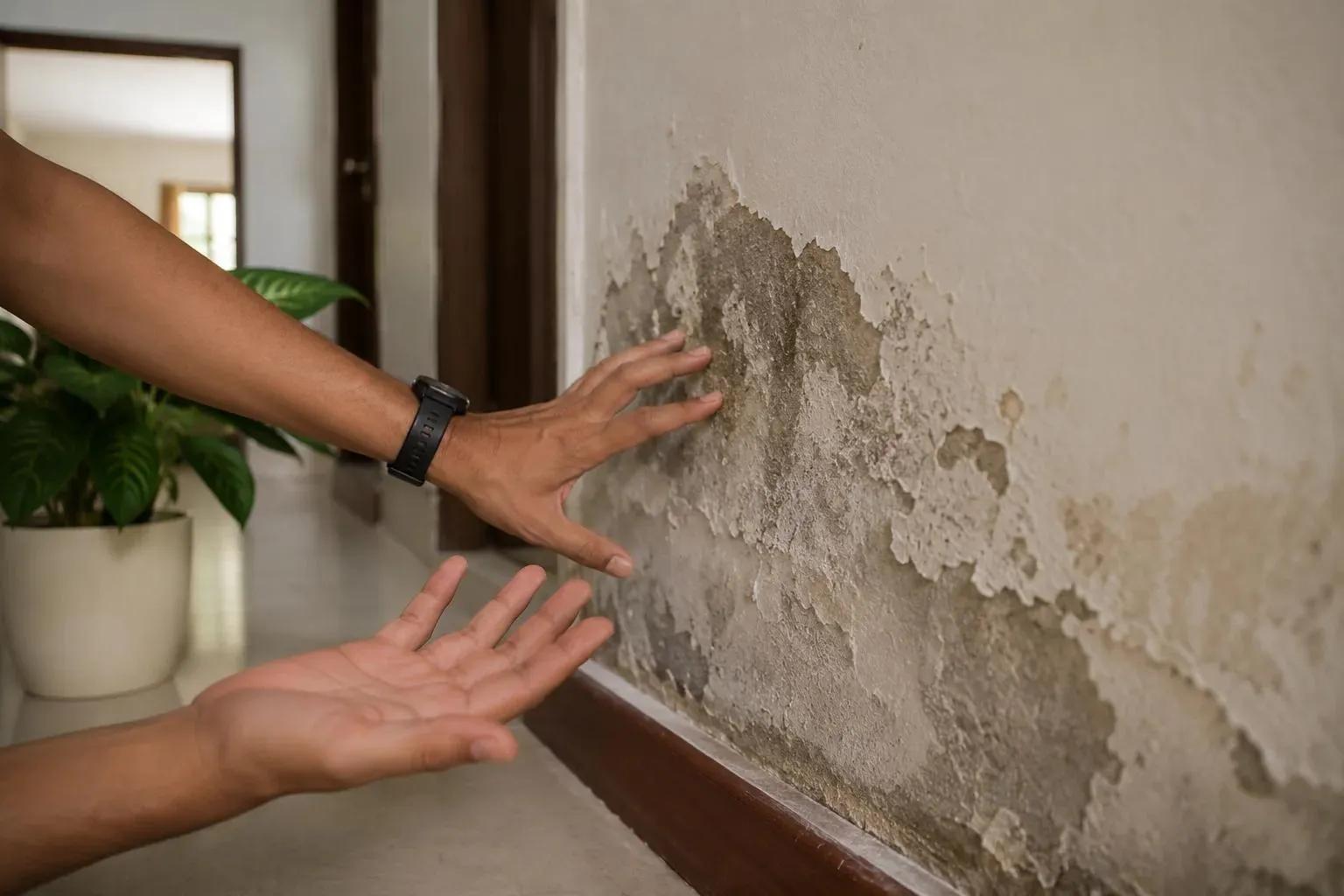
You fix a leaking pipe, only to discover a damp wall. You clean the mould, then notice peeling paint. You repaint the wall, and a few months later, the paint starts bubbling again.
Annoying? Absolutely. Unusual? Not really.
Home maintenance problems often come in pairs because one underlying issue can create, reveal, or worsen another. Water intrusion, poor ventilation, drainage problems, and neglected repairs can affect several parts of a home at once.
Why Home Problems Rarely Stay Isolated
Your home is a connected system. A problem in one area can eventually show up somewhere else.
Take water, for example. A plumbing leak may leave a wall damp. That moisture can contribute to mould or damage paint and plaster. Similarly, poor exterior drainage can allow water to reach parts of the home where it can cause further damage. InterNACHI’s inspection data also identifies drainage, roof damage, plumbing, exterior defects, and poor ventilation among common house problems, with several directly connected to the effects of water.
This is why a small maintenance issue should not always be treated as an isolated inconvenience. Sometimes, it is the first visible sign of a larger chain of problems.
Common Home Maintenance Problems That Come in Pairs
Some combinations appear particularly often because the first problem creates conditions for the second.
Leaks + mould: A persistent plumbing or roof leak can create the moisture that mould needs to grow. Cleaning the mould without addressing the leak can leave the underlying problem untouched.
Dampness + peeling paint: Moisture can contribute to bubbling, peeling, staining, or deterioration of painted surfaces. Repainting may improve the appearance temporarily if the moisture source remains.
Poor drainage + water damage: When water does not drain away properly, it can collect around the property and increase the risk of water entering unwanted areas. Drainage and roof-related problems are among the maintenance concerns highlighted by home inspectors.
Moisture + pests: Damp areas, leaks, and standing water can create conditions that attract or support certain pests. That means a pest problem can sometimes deserve a closer look at the property’s moisture and plumbing conditions too.
The point is not that every home problem automatically causes another. It is that related problems often have a shared cause.
Why Fixing the Visible Problem Isn’t Always Enough
This is where home maintenance can become frustrating. You fix what you can see, but the problem keeps returning.
For example, repainting a wall with recurring peeling paint may not help much if moisture is still reaching the surface. Similarly, cleaning visible mould without dealing with its moisture source can allow it to return.
The same principle applies to other repairs. A ceiling stain may be a sign of a roof or plumbing issue above it. A pest infestation may warrant checking for food sources, moisture, or possible entry points.
So before reaching for a quick cosmetic fix, ask:
What caused this problem in the first place?
That simple question can help you avoid spending money repeatedly on the same surface-level repair.
How to Prioritize Home Repairs Before They Get Worse
When several problems appear together, don’t necessarily tackle them in the order you notice them. Start with the issue that could continue causing damage.
First, find the source. Look for active leaks, persistent moisture, drainage problems, or other conditions that may be contributing to the damage.
Next, address the cause. Repair the plumbing, roof, drainage, waterproofing, or other underlying issue as appropriate.
Then, repair the secondary damage. Once the source is under control, deal with affected paint, plaster, mould, or other surfaces.
Finally, prevent recurrence. Regular inspections, cleaning, pest control, waterproofing, and timely repairs can help keep small problems from becoming larger maintenance jobs.
For serious plumbing, electrical, structural, or persistent moisture problems, professional assessment is the safer approach.
Final Word: Look for the Connection
When two home maintenance problems appear at the same time, don’t automatically assume you have two unrelated jobs.
Sometimes, the second problem is a symptom of the first.
A leak can lead to dampness. Dampness can affect paint and plaster. Moisture can also contribute to conditions that encourage pests. Addressing the root cause first can therefore prevent you from repeatedly repairing the same visible damage.
Good home maintenance is not just about fixing what looks bad. It is about understanding why it happened and what could happen next.
FAQs
Can one home problem cause another?
Yes. Problems involving water, moisture, drainage, ventilation, or neglected repairs can sometimes create or worsen other issues.
Should I fix a leak before repainting?
Yes. If a leak is causing paint damage, the source of the water should be addressed before repainting the affected surface.
Can dampness cause peeling paint?
Persistent moisture can contribute to paint bubbling, peeling, staining, and deterioration. The moisture source should be investigated rather than simply covering the affected area.
Can plumbing leaks damage walls?
Yes. Hidden or persistent leaks can allow moisture to reach walls, ceilings, floors, and other surrounding surfaces.
Which home repairs should I do first?
Prioritize problems that create ongoing damage or safety risks, such as active leaks, electrical hazards, or significant structural concerns. Once the source is addressed, secondary cosmetic damage can be repaired.