
At a Glance
Bathroom descaling removes hard-water stains and limescale from tiles, glass, taps and grout. Limescale is a mineral deposit that acidic descalers dissolve, which is why most bathroom cleaners are acidic. The catch is marble: it is the same mineral as limescale, so an acid that clears a tap will etch and dull marble. The safe approach is to match the cleaner to the surface: acid for tiles and fittings, pH-neutral for marble.
Bangalore's hard water leaves a chalky film on taps, glass and tiles, and a dark crust along grout lines. That film is limescale, and clearing it is one of the most common bathroom problems in the city. The method matters, because a descaler that works on a tap can permanently damage marble. This guide explains how limescale and grout are treated, and why marble needs a different approach, starting with these marble cleaning mistakes to avoid.
What Causes Hard-Water Stains and Limescale in Bathrooms?
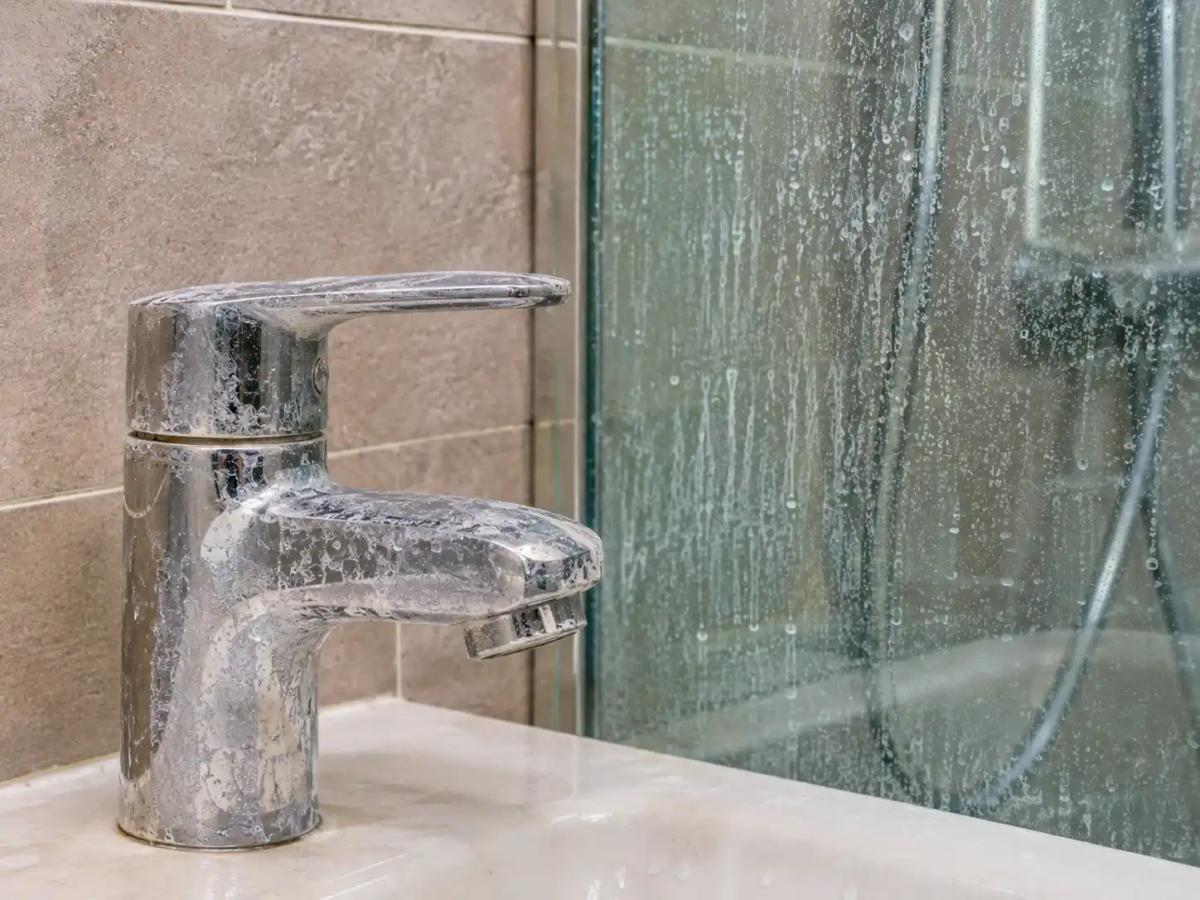
Hard-water stains and limescale are mineral deposits left behind when hard water, which is high in calcium and magnesium, dries on a surface.
Every time hard water evaporates, it leaves these minerals behind. Over time they build into a chalky white or grey crust. Bangalore's water is hard in many areas, which is why the problem is so common here. The usual places it shows up are:
- A white film on taps, showerheads and glass shower screens.
- Chalky deposits around drains and on tiles.
- A rough, cloudy layer on bathroom mirrors.
- Darkened, discoloured grout lines between tiles.
How Is Limescale Removed from Tiles, Taps and Glass?
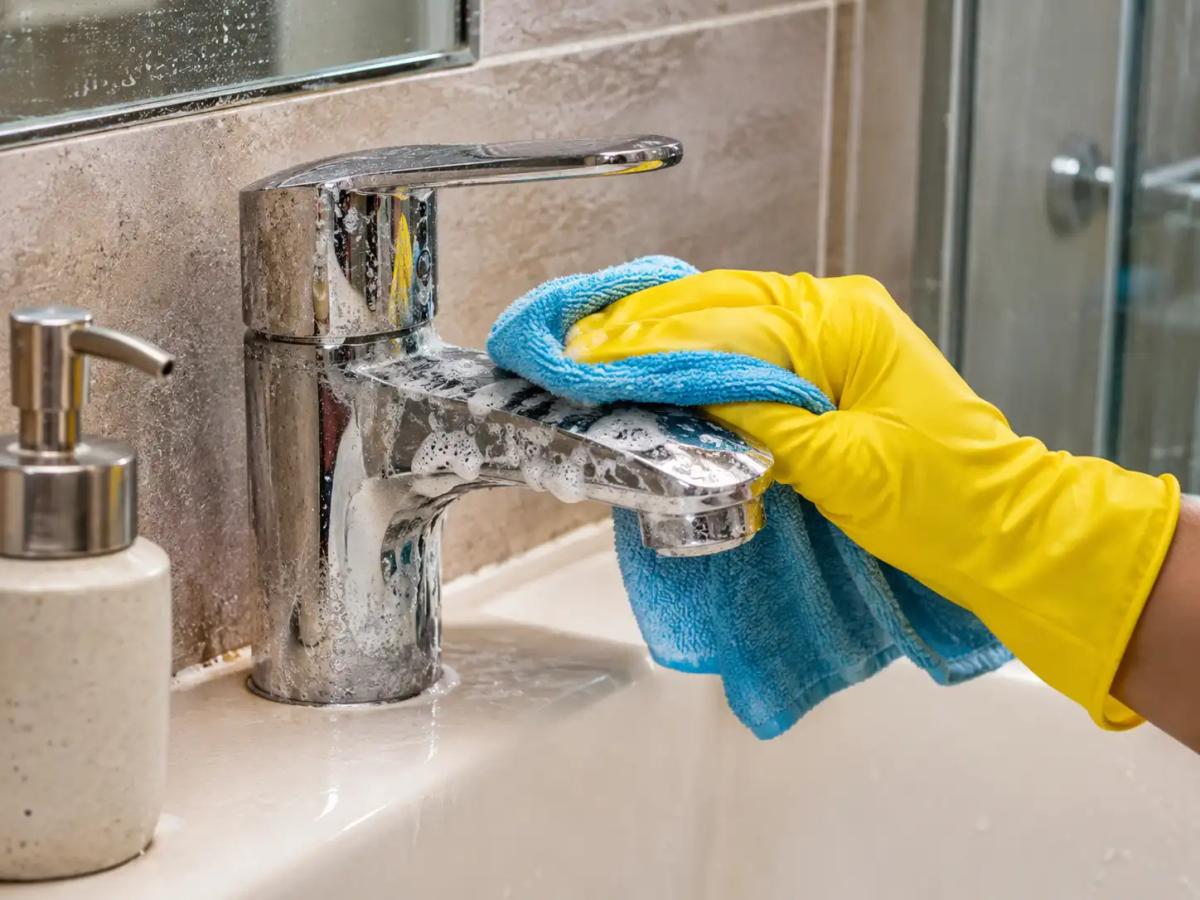
Limescale is removed with a mildly acidic descaler, because limescale is a mineral base that acid dissolves and breaks down so it can be wiped or rinsed away.
On hard, acid-safe surfaces like ceramic tiles, glass and metal fittings, a descaler is applied, given time to work, then scrubbed gently and rinsed. The acid does most of the work, loosening the deposit so heavy scrubbing is not needed. Showerheads and taps can be soaked to clear blocked nozzles. The key is using the right strength and not leaving it on longer than needed.
Safety Note: Acidic descalers and other bathroom cleaners should never be mixed, especially with bleach. For why, see the guide on cleaning products that should not be mixed.
Why Do Acidic Descalers Damage Marble?
Acidic descalers damage marble because marble is made of calcium carbonate, the same mineral as limescale, so the acid attacks the stone just as it attacks the deposit.
When an acidic cleaner meets marble, it dissolves a thin layer of the surface. This is called etching, and it leaves dull, rough patches and rings that cannot be wiped off, because the shine itself has been eaten away. Vinegar, lemon and most bathroom and tile cleaners are acidic enough to do this. The damage is permanent and usually needs professional polishing to repair, which is why marble should never be cleaned with a descaler meant for tiles or taps.
What Is Used on Marble and Natural Stone Instead?
Marble and natural stone cleaning uses pH-neutral, stone-safe cleaners that lift dirt and hard-water marks without reacting with the stone. For set-in stains, a poultice, a paste that draws the stain out of the porous stone, is used rather than an acid. Because marble is porous, keeping it sealed also helps resist stains. If marble has already been etched or stained, professional marble polishing restores the finish, as misused cleaners are a common cause of the marble mistakes homeowners make.
How Is Discoloured Grout Cleaned?
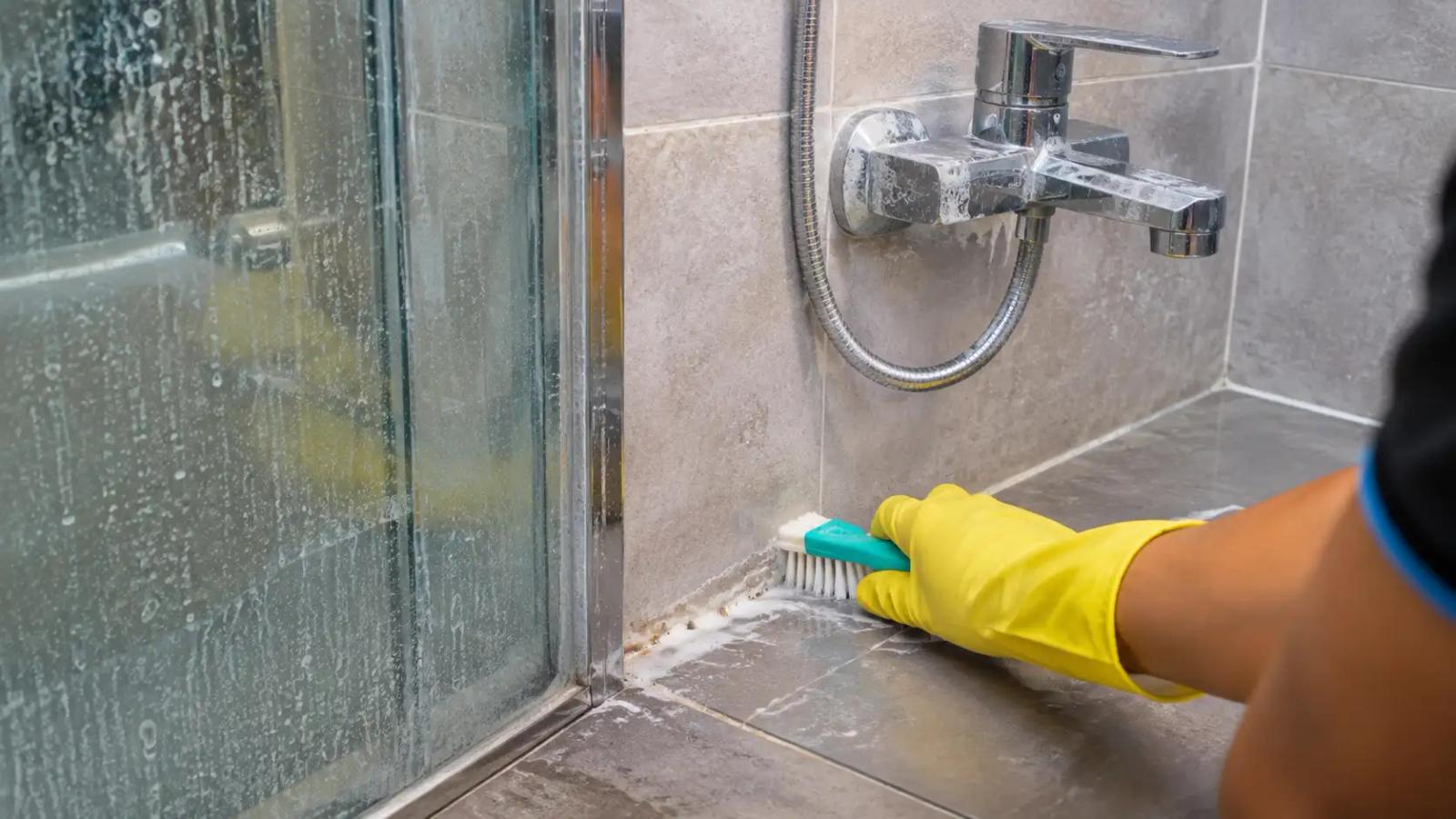
Discoloured grout is cleaned by working a suitable cleaner into the grout lines with a brush, loosening the dirt and deposits trapped in the porous surface.
Grout sits lower than the tiles and is porous, so it traps soap scum, hard-water deposits and grime, which darkens it over time. A brush and a cleaner matched to the surrounding surface lift this buildup. On ceramic tiles a stronger cleaner can be used, but where the tiles or surround are marble or natural stone, a stone-safe cleaner is used to avoid etching. Badly stained grout can be resealed afterward to resist future buildup.
How Does Clean Fanatics Descale a Bathroom?
Clean Fanatics descales a bathroom by matching the cleaner to each surface, using acidic descalers on tiles, glass and fittings, and pH-neutral stone-safe cleaners on marble and natural stone.
This surface-first approach is what protects the bathroom while getting it clean. Tiles, glass and metal fittings are descaled and rinsed, grout lines are brushed out, and any marble is cleaned with a stone-safe method rather than acid. Because Clean Fanatics also offers marble polishing in Bangalore, etched or dull marble can be restored as well, not just cleaned. Matching the method to the surface is exactly the judgement a professional bathroom cleaning service brings to bathroom deep clean.
How to Keep Hard-Water Stains from Coming Back
Hard-water stains come back more slowly when surfaces are wiped dry after use, so the minerals have no chance to settle.
A few simple habits help between deep cleans: wipe or squeegee glass and tiles after a shower, dry taps and fittings, and deal with early film before it hardens into scale. For marble, stick to pH-neutral cleaners and reseal when needed. The deposits still build up over time in hard-water areas, so a periodic professional descale keeps the bathroom clear, as part of a wider bathroom cleaning routine.
Hard-water stains or dull marble in your bathroom? For a bathroom descaled safely, marble included, the Clean Fanatics team can help with bathroom deep cleaning services in Bangalore.
Frequently asked questions
What is the best way to remove limescale in a bathroom?
On tiles, glass and metal fittings, a mildly acidic descaler is the most effective, left to work and then rinsed. On marble or natural stone, an acidic descaler must not be used; a pH-neutral stone-safe cleaner is used instead. The right method depends on the surface.
Can I use vinegar to remove hard-water stains?
Vinegar is acidic, and acid is what dissolves limescale on hard, acid-safe surfaces like ceramic tiles, glass and metal fittings. It should never be used on marble or natural stone, because acid etches the surface and the damage is permanent. Check the surface before using any acidic cleaner.
Why does my marble look dull after cleaning?
Marble looks dull when it has been cleaned with an acidic product, such as vinegar, lemon or a standard bathroom cleaner. The acid etches the surface, removing the shine. Etched marble usually needs professional polishing to restore.
How is limescale removed from a marble bathroom?
Limescale on marble is removed with a pH-neutral, stone-safe cleaner, never an acidic descaler. For set-in marks, a poultice draws the stain out of the stone. Keeping the marble sealed helps resist stains.
Why does grout turn dark and how is it cleaned?
Grout turns dark because it is porous and traps soap scum, hard-water deposits and grime. It is cleaned by brushing a suitable cleaner into the lines, matched to whether the surround is ceramic or stone. It can be resealed afterward to stay cleaner longer.
How often should a bathroom be descaled?
In a hard-water area like Bangalore, deposits still build up over time, so a periodic professional descale keeps the bathroom clear. Wiping or squeegeeing glass and tiles after each shower helps in between.
What causes hard-water stains and limescale in bathrooms?
Hard-water stains and limescale are mineral deposits left behind when hard water, which is high in calcium and magnesium, dries on a surface. Bangalore's water is hard in many areas, which is why the problem is so common here.
Can I use a bathroom descaler on marble?
No. Acidic descalers damage marble because marble is made of calcium carbonate, the same mineral as limescale, so the acid attacks the stone just as it attacks the deposit. A pH-neutral, stone-safe cleaner is used instead.
How do I keep hard-water stains from coming back?
Wipe or squeegee glass and tiles after a shower, dry taps and fittings, and deal with early film before it hardens into scale. For marble, stick to pH-neutral cleaners and reseal when needed. A periodic professional descale keeps the bathroom clear in hard-water areas.